
### Blog Post:
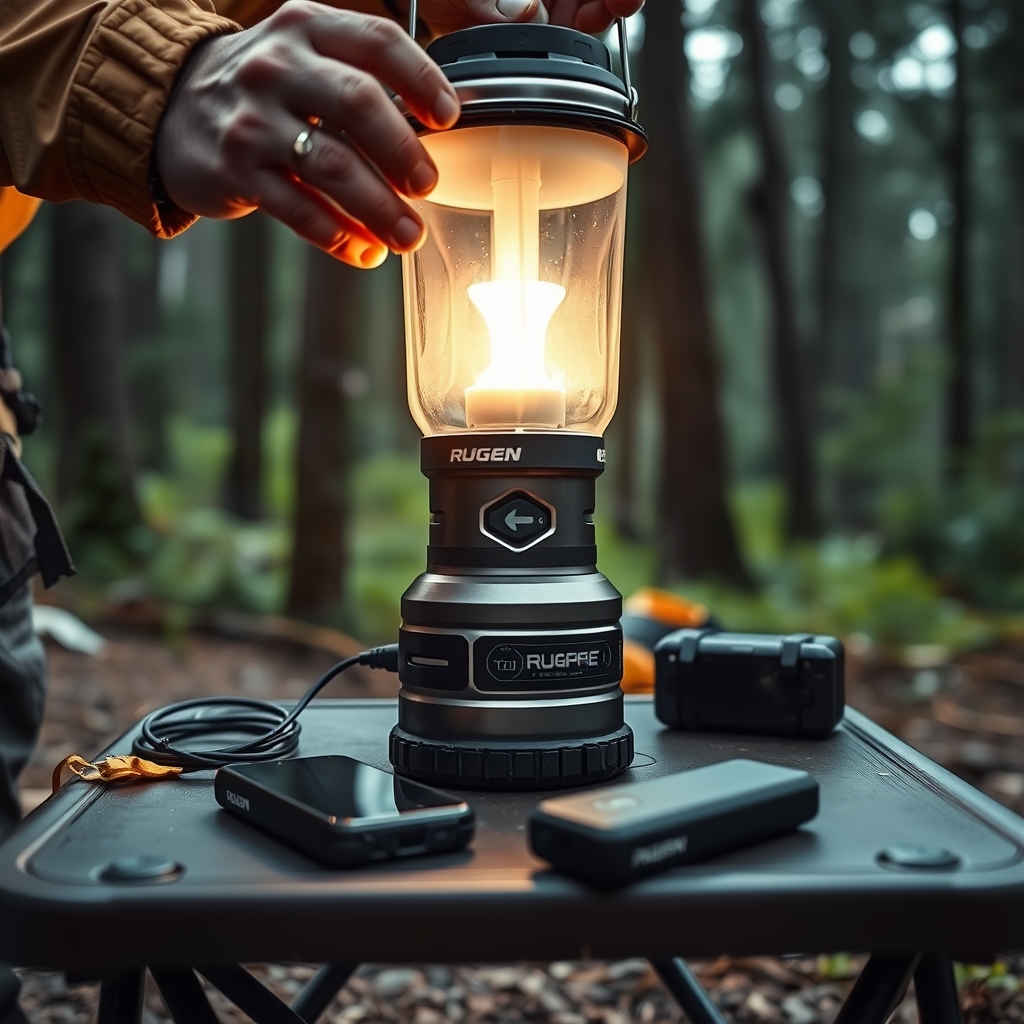
rechargeable camping lantern buyers in 2024 are done with gimmicks—they want gear that’s tough, reliable, and efficient, whether it’s for a family trip or an emergency blackout. This guide skips the marketing fluff and dives straight into what matters: proven runtime, long-term costs, and real-world complaints that too many reviews gloss over.
Key Takeaways
- Don’t judge by lumen numbers alone—test verified runtime, battery type, and actual rechargeability features (USB-C, solar, hybrid) before buying.
- Common user complaints include battery life that’s far shorter than advertised, weak phone charging, and lanterns that overheat or start to flicker after a season.
- Total cost of ownership depends on battery life cycles, replacement availability, warranty, and whether the lantern doubles as a reliable power bank.
- Market snapshot — why rechargeable & USB‑LED lanterns matter in 2024
- Key specs that actually matter (what to compare side‑by‑side)
- The most common performance complaints — how to avoid bad buys
- Solar vs USB vs hybrid — real cost‑benefit for campers and preppers
- Long‑term ownership: battery degradation, replacement costs and lifecycle planning
- Smart features and firmware — benefits and hidden risks
- Troubleshooting & what warranties/aftercare to demand
- Use cases and recommended feature prioritization (camping, family/basecamp, emergency kit)
- Quick buyer checklist + 5 red‑flag review phrases to watch for
- Brands, models and next steps (how to research further)
Market snapshot — why rechargeable & USB‑LED lanterns matter in 2024
The demand for rechargeable camping lanterns is surging, driven by both outdoor recreation and preparedness for emergencies. In 2024, the global sector is worth about $9.8 billion, with growth tracked at 5–6% CAGR through 2033. The narrower LED camping lantern USB rechargeable segment is booming even faster—from about $119M in 2024 to $204M by 2034 (8% CAGR) per industry analysts. Multiple millions of units are sold annually, and trusted brands like Coleman, Goal Zero, BioLite, Black Diamond, and Vango dominate product listings.

This product maturity—plus widespread USB power bank integration and dimmable LED upgrades—has raised buyer expectations and exposed the need for honest, real-world analysis. Whether for tent lighting, basecamp, or blackout prep, the reliability of your rechargeable camping lantern is now non-negotiable.
For broader context on camping gear evolutions, read our guide to camping season essentials.
Key specs that actually matter (what to compare side‑by‑side)
Specs sheets often overwhelm, but only a handful of features make a real difference:
- True lumens vs. usable light: Soft, diffuse lighting is more comfortable for tent lighting than high max lumens you won’t use. Look for frosted covers and adjustable levels.
- Battery capacity: Measured in Wh or mAh. Bigger is not always better; efficient LEDs and realistic dimming matter more.
- Tested runtime at usable (not max) brightness: Ignore claims for “up to XX hours” at unusable low settings. Seek independent runtime tests—often brands only specify best case.
- Charging options: USB-C is fastest and most future-proof. Avoid models that are micro-USB only. Hybrid solar/USB charging is a plus for emergencies.
- Power bank output: Look for at least 2A output for charging phones, and make sure the feature works reliably per reviews.
- IP rating (Ingress Protection): For wet/dirty conditions, IPX4 or higher is minimum for lasting reliability.
- Weight and mounting: Backpackers need under 1lb with hanging hooks. Basecamp and family users should prioritize stability and size.
- Heat management: Overheating at handles or near glue joints is common and can lead to early failure.
USB-rechargeable LED lanterns largely push these features, but the gap between advertised and real-world performance remains wide. When buying a lantern for tent lighting, cross-test published specs with trustworthy user reviews and, if possible, independent test results. Many of these criteria also apply to solar-powered camping gear.
The most common performance complaints — how to avoid bad buys
Buyer regret with a camping lantern with power bank is common. Here’s what real-world users cite most:
- Shorter battery life than claimed: Advertised “100 hours” at low setting rarely matches normal use—expect 30–70% of that, tops. Look for dimmable LED lantern models with verified mid-level runtimes in reviews.
- Slow/obsolete charging: Micro-USB charging lingers on many models; it’s much slower and less robust than USB-C. USB-C allows faster, more reliable power-ups—vital for emergencies.
- Overheating or separated parts: Handles and glue-mounted panels can overheat or dislodge, especially on cheaper products during longer operations.
- Flicker on low settings: Inconsistent electronic dimming drivers lead to annoying flicker—check reviews for mentions of “flicker” or “pulsing.”
- Power ports failing quickly: USB ports for phone charging are a frequent point of failure, sometimes within weeks. This is often reported in “camping lantern with power bank” listings. Verify warranties and read independent test reports.
| Issue | How to Check/Prevent | What to Look for in Listings/Reviews |
|---|---|---|
| Battery life much shorter than claimed | Compare user-verified runtimes at medium settings | “Only lasted X hours” “Doesn’t meet spec” |
| USB port fails quickly | Check for repeated early failures in reviews | “Stopped charging after a few trips” |
| Dimming/flicker issues | Look for mentions of flicker/pulsing at low brightness | “Flickers on low” “Annoying when dimmed” |
| Overheating at handles/connectors | Note complaints of heat near hanging points or glue areas | “Gets hot to touch” “Glue softened” |
| Slow/obsolete charging | Check port type—avoid micro-USB-only models | “Takes forever to charge” |
Solar vs USB vs hybrid — real cost‑benefit for campers and preppers
Solar camping lantern models appeal to off-grid enthusiasts, but real-world performance varies by weather, latitude, and panel quality. Some lanterns require up to 16–20 hours of sunlight to fully charge by solar, compared to just 4 hours by USB (source).
- Solar-only is only viable if you have excellent sun exposure and low daily light needs—ideal for backup, less for daily tent lighting.
- Hybrid lanterns (USB + solar) are best for emergency kits and extended trips, letting you keep running even when off-grid for a week.
- Consider your climate and habits: Cloudy regions and winter months mean USB/fast-charge support is essential for usability and uptime.
Before purchase, check true solar recharge times (not just “solar panel included”). Solar should always be a backup, not your primary plan unless you do extended, high-sun camping. If you routinely power phones or GPS devices, prioritize hybrid LED camping lantern USB rechargeable models that specify fast USB input and at least minimal power bank throughput. Learn more about combining solar and rechargeable setups in our solar camping generator guide.
Long‑term ownership: battery degradation, replacement costs and lifecycle planning
Few product pages explain what happens after a season or two. Lithium-ion batteries lose capacity over 300–500 charge cycles; expect gradual runtime decline (sometimes up to 30% loss by year 2). This is a major hidden cost of a rechargeable camping lantern, especially when power bank functions are used frequently.
- Replacement battery availability: Ensure your chosen lantern has user-replaceable batteries or offers affordable support. Some integrated, sealed units cannot be serviced and become e-waste when battery fails (a major issue flagged by reviewers).
- Total cost of ownership: Add purchase price, likely battery replacements, and charging accessories to judge long-term value. Premium brands may cost more upfront but save money (and frustration) over time.
- Warranty and recycling: Seek brands with 18+ months warranty, battery recycling support, and published battery specs (chemistry, cycle life).
User reviews confirm that real battery life often falls well short of advertised claims, especially once the first year passes. For serious campers or preppers, lifecycle planning should not be ignored.
For more tips on multi-season camp gear durability (and avoiding single-use traps), see our take on outdoor gear longevity.
Smart features and firmware — benefits and hidden risks
Smart LED camping lantern USB rechargeable models with app control, Bluetooth dimming, and firmware updates are increasingly common. While features like remote brightness control and timers add convenience, they can bring unexpected risks:
- Battery drain: Bluetooth and IoT features can drain batteries faster, reducing effective runtime.
- Firmware update failures: Unreliable updates may brick your lantern or cause unpredictable behavior—test physical controls before relying on apps.
- Cybersecurity & privacy: App-controlled devices can expose data and sometimes remain “always on” for network connections.
- Obsolescence: If the app is discontinued or your phone OS updates, your lantern’s smart features may stop working—even if the lantern itself is fine.
Unless you need smart control (e.g. for group lighting at basecamp), most users should still choose simple, robust physical controls for critical gear.
Troubleshooting & what warranties/aftercare to demand
Even the best camping lantern with power bank can hit snags. Be proactive:
- Charging failures: First, clean the USB/charging ports. Check with a second cable/power brick; sometimes the accessory is at fault, not the lantern. Test both input and (if available) output ports before your trip.
- Flicker troubleshooting: If your dimmable LED lantern flickers at low brightness, it’s likely the driver, not the LED. This usually can’t be fixed, but may qualify for return under warranty.
- Overheating: Never operate your lantern on high output for more than 30 minutes unattended. Handles or plastic joints getting hot? Let it cool, and alert the manufacturer if it persists.
- Pre-trip checks: Always run your lantern on a full charge at both low and high power to spot new or recurring issues before you depend on it in the field.
- Warranty & ROI: Reputable brands (see below) offer at least 12–24 months warranty and actual customer support. Registered warranties and clear returns policy are not optional.
Warranty terms should explicitly cover battery and USB port failures. Look for companies that publish service info and replacement battery part numbers.
Use cases and recommended feature prioritization (camping, family/basecamp, emergency kit)
- Tent lighting/backpacking:
Minimum: 200+ lumen, under 1lb, USB-C charging, 8+ verified hours runtime at mid brightness, IPX4, basic dimming.
Premium: 300+ lumen, hybrid charging, power bank output, reinforced hanging hooks, extended warranty. - Family/basecamp:
Minimum: 400+ lumen, multiple brightness levels, strong base, stable handle, 12+ hours runtime, power bank function.
Premium: 600+ lumen, true hybrid charging, ambient and directional LEDs, smart group dimming, robust warranty. - Emergency kits:
Minimum: 150+ lumen, hybrid charging, 10+ hour runtime, reliable power bank for phone.
Premium: Solar + USB quick charge, full weather sealing (IPX6), battery swap option, extra-long shelf life, extended warranty (>24 months), auto-dimmer for battery preservation.
Outdoor camping lantern sales are growing at 8.2% CAGR (source), showing that specialized needs are rising. Remember: backpacking favors lightweight and runtime, basecampers want versatility, preppers prioritize hybrid charging and robust build. For related insights on modular outdoor setups, see multi-use camping essentials.
Quick buyer checklist + 5 red‑flag review phrases to watch for
- Charging type: Prefer USB-C with fallback solar if needed.
- Tested real runtime: Ensure actual, reviewed data at your typical brightness.
- Power bank amperage: Minimum 2A output for phones.
- dimming quality: No flicker at low settings; smooth adjustment.
- IP Rating: IPX4 or better for outdoor resilience.
- Warranty length: At least 12–24 months, battery included.
- Replacement battery availability: User-replaceable or manufacturer supply confirmed.
Red-flag phrases from user reviews (avoid these products):
- “Stops holding charge after X months.”
- “USB port failed.”
- “Flickers on low.”
- “Takes days to solar charge.”
- “Overheating handle.”
Want to double-check gear for other short-term failure risks? Our best-selling camping essentials roundup covers more diagnostic strategies for outdoor electronics.

Brands, models and next steps (how to research further)
Start with established brands: Coleman, Goal Zero, BioLite, Black Diamond, and Vango are all regularly tested for reliability and customer support. When comparing models:
- Seek independent tests reporting real runtime at low, medium, and high settings.
- Find solar charge time tests under real daylight (at least 20,000 lux—typical clear sky).
- Check verified power bank throughput (actual watts/amps delivered to a phone, not just “can charge a device”).
- Review recent user feedback for any early battery, USB port, or flicker issues.
- On retailer sites, filter by “USB-C,” “hybrid charging,” “IPX4+,” and “user-replaceable battery” to narrow your shortlist.
Because product marketing often exaggerates runtimes or downplays long-term battery decline, always back up your shortlist with at least two independent review sources. For more on integrating lanterns into larger sustainable kits, check our feature on solar camping power solutions.
Conclusion
When choosing a rechargeable camping lantern, focus less on flashy lumen counts and more on proven runtime, reliable charging, supportable batteries, and total long-term cost. Demand clear specs, review real feedback for hidden flaws, and think like a field tester. Your next lantern should deliver—night after night, trip after trip.
Ready to upgrade? Compare top brands and run your own runtime test before your next trip. Reliable lighting is a non-negotiable for the smart outdoor adventurer—choose your rechargeable camping lantern with confidence.
FAQ
Are rechargeable camping lanterns actually reliable for emergencies?
Modern premium brands are much more reliable than older models, but always check user reviews for battery and USB port failure rates, and cycle-test your lantern at home before relying on it in an emergency kit.
Which is better—solar or USB charging?
Hybrid models with both solar and USB-C are best for flexibility. Solar alone is too slow and unreliable in most regions. USB-C ensures fast and consistent charging when you have grid or solar generator access.
How do I test the actual runtime of a camping lantern?
Charge the lantern fully, set it at your typical brightness, and time how long it takes until the output dips below usable. Repeat at least twice for an average, and use this as your real-life runtime figure, not the “advertised” numbers.
What brands have the most trustworthy warranty and support?
Coleman, Goal Zero, BioLite, Black Diamond, and Vango are all known for reputable support in the rechargeable camping lantern segment. Always register your product for warranty and verify parts are available.
Do smart features (like Bluetooth/app control) affect battery life?
Yes—Bluetooth and IoT features can significantly reduce standby time and introduce new points of failure. Use app features only if you need them, or stick to models with robust physical controls for critical uses.
[…] For further breakdowns—especially relating to gear that’s both tough and “portable”—see our tips on essential lighting for backpackers. […]