
### Blog Post:
Ultralight camping chair selection is one of the toughest gear decisions for serious backpackers: you want real camp comfort without carrying dead weight or risking mid-trip failures. If your knees or hips need support after long days and you’d rather not sacrifice evenings to a lumpy log, this practical, no-nonsense guide cuts through the specs to help you choose the best ultralight camping chair for multi-day hikes, not just single-night outings.
Key Takeaways
- The lowest-weight ultralight camping chairs trade comfort and stability for packability—so know your true needs before deciding.
- Seat height and back support matter far more than spec sheets suggest, especially for hikers with knee or hip concerns.
- Failure points (fabric and pole wear, seat sag, and stitching) are common on long routes—real-world reviews reveal problems overlooked in most marketing.
- Quick summary — What “ultralight” really means for backpacking
- At-a-glance comparison — Lightest and most compact 2024 models
- Deep dive — Model-by-model notes
- Common user complaints on multi-day backpacking trips
- The features most reviews gloss over
- Comfort & fit — seat height, back angle, and long-sit ergonomics
- Materials & durability — fabrics, denier, pole materials, and stitching to inspect
- Load capacity vs. real-world safety
- Packing, weight trade-offs, and when to bring a chair
- Field test checklist — quick tests before you buy or on first trip
- Final recommendations & shortlists by use case
- Buyer’s checklist (one-page printable checklist)
- FAQ
Quick summary — What “ultralight” really means for backpacking
“Ultralight” is thrown around a lot, but for backpackers actually walking 10+ miles per day, it means something precise. A true Therm‑a‑Rest Z Seat for backpacking will weigh from as little as 2 ounces (like the Therm-a-Rest Z Seat) up to roughly 1 pound (Helinox Chair Zero, REI Flexlite Air). “Ultracompact” refers to packed size—you want your chair to disappear into (or onto) your pack. The lighter the chair, the more you give up in stability, back support, and comfort. Really dialed-in hikers target under 16 ounces, but plenty accept 1.5–2.5 pounds if extra comfort is worth the carry. For example, the Helinox Chair One (re) stretches the definition but rewards you with roomier seating and higher capacity. True “ultralight” is always a trade-off—no model excels at everything.
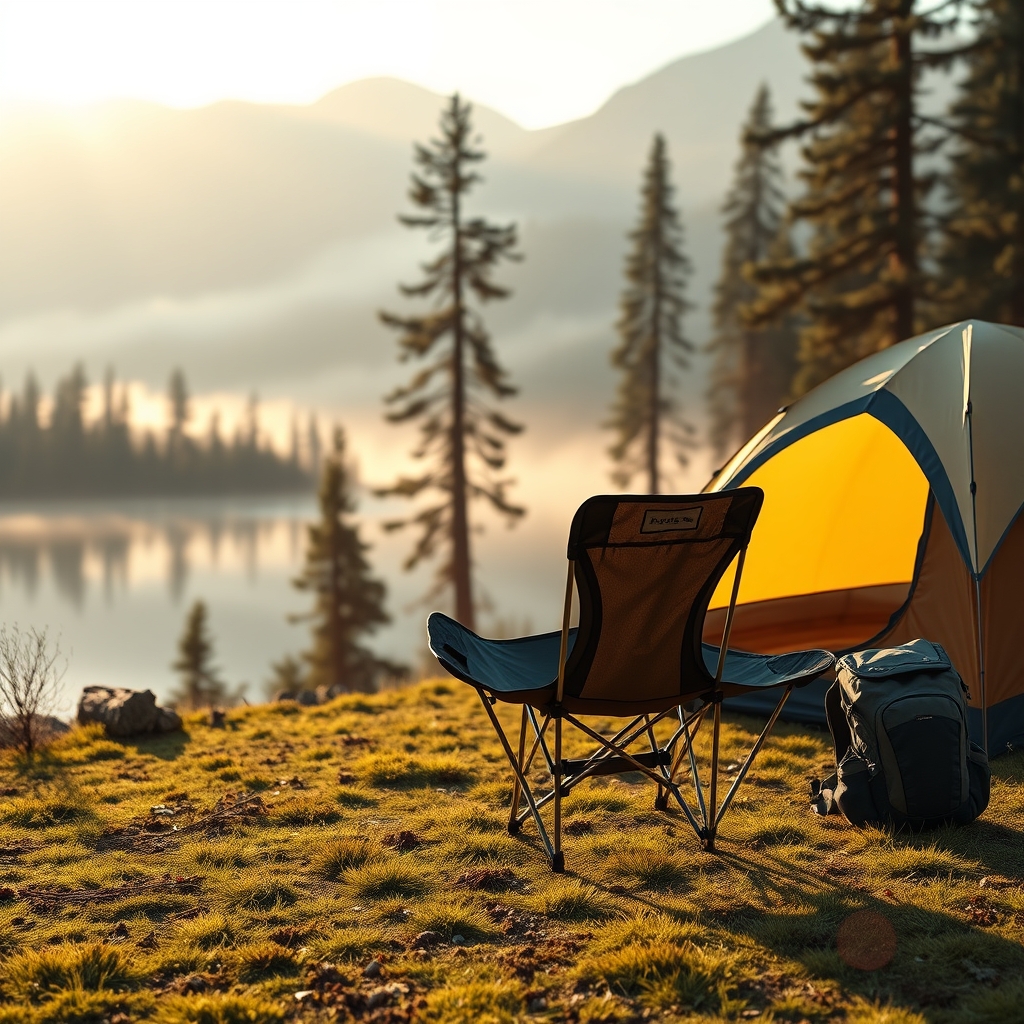
At-a-glance comparison — Lightest and most compact 2024 models (quick spec box)
Here’s a quick-glance summary of the top-rated ultralight and compact camping chairs for backpacking in 2024. Use this comparison for backpacking chair ultralight and small camping chair research:
| Model | Weight | Packed Size (inches) | Capacity (lb) | Price ($) | Style |
|---|---|---|---|---|---|
| Therm‑a‑Rest Z Seat | 2 oz | 12 × 2.5 × 2.75 | N/A (no official rating, used ≲200) |
35–45 | Foam Pad |
| Helinox Chair Zero | 1 lb | 13 × 2.5 × 2.5 | 265 | 150–170 | Sling/Frame |
| Big Agnes Skyline UL Stool | 20 oz (567 g) | 12 × 3.3 × 3.3 | 250 | 110–130 | Stool |
| REI Flexlite Air | 1 lb | 13 × 2.5 × 2.5 | 300 | 120–140 | Sling/Frame |
| Helinox Chair One (re) | 2.5 lb | 14.6 × 4.7 × 4.3 | 320 | 190–210 | Sling/Frame |
For more gear insights on packable furniture and essentials, check our feature on camping season essentials.
Don’t forget accessories: some, like the Helinox High Back or an insulated cover, can add comfort for minimal extra weight if you’re willing.
You can also check out our portable camping shower guide for pro tips on squeezing the most comfort into any backcountry camp setup.
Deep dive — Model-by-model notes (what each excels at and who should buy it)
Below are the real strengths and weaknesses for each major ultralight camping chair, with direct reference to user experience and measured specs:
- Therm‑a‑Rest Z Seat (2 oz): If “every gram counts,” this is as light as it gets—but there’s no back support and it works best for short breaks. This is great for “stand-and-hike” purists who want something to pad rocks or wet logs.
Downside: Not real comfort at camp, and no safe weight capacity. - Helinox Chair Zero (~1 lb, 265‑lb limit): The gold standard for portable hiking chair comfort with true ultralight weight. Packs small, offers backrest, but seat height (≈11 in) is low—entry and exit aren’t easy for many.
Ideal for: Hikers willing to accept some entry/exit awkwardness for the best blend of weight and comfort. - Big Agnes Skyline UL Stool (20 oz, 250‑lb limit): Super packable and light, but as a stool offers no back support—best for eating, quick stops, or workstations, not for long lounging.
Choose this if: You want lowest carry weight but still want a “chair” with legs. - REI Flexlite Air (~1 lb, 300‑lb limit): Slightly more robust than Chair Zero with better weight capacity—best strength-to-weight ratio among comparable ultralight models.
Tip: If you’re near 250+ pounds or want extra safety margin, this is worth the few extra ounces. - Helinox Chair One (re) (2.5 lb, 320‑lb limit): Heavier, but for larger users or those who need higher seat height (≈14.5 in) or real comfort after a long day, this is the throne.
Best for: Campers who value all-evening comfort, have mild joint issues, or want their investment to last for years.
For further breakdowns—especially relating to gear that’s both tough and “portable”—see our tips on essential lighting for backpackers.
Common user complaints on multi-day backpacking trips
Field testing and reviews repeatedly highlight problems rarely visible in marketing photos. Here’s what long-term users report with compact camping chair backpacking and lightweight folding chair camping models:
- Low seat height: Many ultralight chairs are under 12 inches off the ground. Older hikers, or anyone with knee/hip sensitivity, report struggling to sit down or stand up—especially after a day of hiking.
Anecdote: “After three nights on the trail, my Chair Zero felt almost as hard to escape as my tent in the morning!” - Insufficient back support or padding: Thin fabric seats and minimal structure mean “just enough” comfort, but not for lingering at camp for hours.
- Fragile joints or stitching: Ultra-thin aluminum or carbon fiber poles save weight but tend to loosen or crack when stressed—especially after several trips. Stitch lines are often first to go.
- Wobbliness on uneven ground: The lighter the chair, the less tolerant it is of rocks, root, or sloped campsites—many users report a “teetering” feel.
Real story: One hiker’s Chair Zero frame snapped when used on a rocky alpine pad after a dozen trips, leaving them sitting on the ground the rest of a 5-day section hike.
Want more smart-camp solutions for real-world problems? Explore our post on solar camping generators for field reliability.
The features most reviews gloss over
Shopping by just weight and price is a mistake. Most “best of” roundups skip these crucial features for ultralight camping chair and backpacking chair ultralight choices:
- Ergonomic seat height & geometry: A couple inches in seat height makes massive difference if your knees or hips aren’t 20 anymore. Chairs like the Chair One (re) (14.5 in) are noticeably easier than the Chair Zero (11 in).
- Fabric durability and weather resistance: Ripstop denier, UV coating, and hydrostatic ratings matter—most fabrics degrade quickly if left damp or in sun.
- Pole material & fatigue: 7000-series aluminum is common for good reason; carbon-skeletons may be lighter but can be brittle in real use.
- Extra features & warranty: Comfort details like armrests and cup holders are “extras,” but a real manufacturer warranty (not just a 30-day shop return!) signals real-world durability.
External experts like FieldMag and CleverHiker agree: these secondary details become primary with multi-trip use.
Comfort & fit — seat height, back angle, and long-sit ergonomics
Comfort isn’t just subjective—measurement matters, especially in a portable hiking chair or small camping chair choice. The two biggest numbers:
- Seat Height: Chair Zero seat height ≈11 in vs. Chair One (re) ≈14.5 in—a difference you’ll feel every time you squat or push yourself up. Taller seats mean easier entry/exit. For those with mild knee issues, this is not “nice to have”—it’s essential.
- Back Angle & Support: Sling chairs (Zero, Flexlite Air, Chair One) provide some recline but little lumbar contour; minimal chairs offer none. If you lounge after dinner or have back trouble, look for chairs with slightly more upright backs or optional accessories (like high back kits).
A small improvement in design equals a big upgrade in actual trail-life comfort.
Materials & durability — fabrics, denier, pole materials, and stitching to inspect
Lightweight folding chair camping options earn their “ultralight” badge by shaving grams from every piece. Here’s what to check—in person if possible:
- Fabric material and denier rating: Higher denier ripstop holds up longer; UV and water-resistant coatings add longevity in wet/sunny climates.
- Pole material & metallurgy: 7000-series aluminum performs best (most Helinox, REI); carbon-fiber can fatigue or splinter after minor impact.
- Pivot/hub design: Weakness here leads to wobbly chairs, cracked sockets, or sudden collapses—watch for reinforced or double-stitched hubs.
- Stitching quality: Double or triple-row lockstitch (not single) resists tearing under repeated set-ups.
Field research: OutdoorgearLab highlights common failures involving slippage at frame joints and slow seat sag after extensive use. [Read their findings]
Load capacity vs. real-world safety — how to interpret manufacturer numbers
Most ultralight camping chair brands list a weight capacity, but “safe for the trail” is lower. Examples:
- Helinox Chair Zero: Rated 265 lb.
- Big Agnes Skyline UL: Rated 250 lb.
- REI Flexlite Air: Rated 300 lb.
- Helinox Chair One (re): Rated 320 lb.
- Z Seat: No official capacity, but rarely used by anyone above 200 lb.
Conservative rule: Always select a chair that is rated at least 20 percent higher than your actual weight to allow for “dynamic” loads (rocking back, bracing up, sitting down with full pack on). For heavier users or those near listed limits, the Chair One (re) or Flexlite Air are safer choices.
Packing, weight trade-offs, and when to bring a chair on a multi-day trip
Should you bring a chair at all? Here’s a decision rule for ultralight camping chair and portable hiking chair choices:
- Trips under 2 nights, mild weather: Z Seat or no chair—save every ounce.
- Trips 3+ nights, or if you need true recovery at camp: Chair Zero, Flexlite Air, Skyline UL.
- If you struggle with sore joints or often camp on cold/wet ground: Chair One (re) if you’ll trade extra weight for off-ground comfort.
Pack hacks: Stow your lightweight chair externally to free pack volume; split heavy models between hiking partners so only one carries per segment; evaluate the true weight (2 oz, 1 lb, 2.5 lb) against your total base pack. Sometimes, comfort is worth an extra pound if it means a good evening in camp.
Field test checklist — quick tests to run before you buy or on first trip
Here’s a practical pre-purchase or first-night-in-camp test for any compact camping chair backpacking or lightweight folding chair camping model:
- Assembly time: Can you put it together blind at dusk? Does anything pinch or stick?
- Uneven ground stability: Set it up on a lumpy surface—does it tip or slide? (Many ultralights fail here.)
- Seat sag after 8+ hours: Feel for fabric stretching and see if the seat height drops by more than half an inch after prolonged use.
- Stitching stress test: Stand up, sit, twist—look for stitches pulling or fabric fraying.
- Pole flex and fatigue: Gently bend the poles in hand—do they creak, wobble, or show hairline cracks after packing/unpacking?
- Water and UV exposure: Spray lightly and leave in sun—cheaper fabrics rapidly lose elasticity or color.
- Repack when wet: Does it fit easily in the bag after a rainy night, or does wet fabric/poles bulk up?
Many online reviews skip long-term durability; real users often discover weaknesses (especially frame or stitching failures) only after several 50+ mile trips.

Final recommendations & shortlists by use case
- Ultralight minimalist: Therm‑a‑Rest Z Seat (2 oz). Purest no-frills pack cushion—ideal if comfort is less important than shaving every gram.
- Best balance of comfort and weight: Helinox Chair Zero (1 lb, 265‑lb capacity). The go-to ultralight camping chair for most backpackers—packs tiny and offers a true off-ground seat.
- Strongest for larger users: REI Flexlite Air (1 lb, 300‑lb capacity) or Helinox Chair One (re) (2.5 lb, 320‑lb capacity). Worth the carry if you value extra room, security, or struggle with low seats.
- Best value: Big Agnes Skyline UL stool (20 oz, 250‑lb capacity). No backrest but rugged and suited for short breaks or work-focused trips.
So, which one should you bring? Match these picks against your own needs, base weight, and route demands. Still can’t decide? Use our printable checklist below to break the tie—and double-check your specs against the numbers in our comparison table above.
Want a broader gear list for versatile outdoor comfort? Read about portable camping furniture and gadgets next.
Buyer’s checklist (one-page printable checklist)
Before you buy or pack, use this checklist to confirm your small camping chair or lightweight folding chair camping choice meets your real-world needs:
- Weight class: 2 oz (pad), 1 lb (frame chair), 2.5 lb (full comfort)?
- Packed size: Will it fit inside or must it ride outside?
- Seat height: At least 13–15 in for easy entry/exit?
- Back support: Sufficient for your post-hike fatigue?
- Load rating: Chair rated at least 20 percent over your own weight?
- Fabric denier/coat: High denier, UV protected, water resistant?
- Pole material: 7000-series aluminum or strong carbon?
- Warranty: At least 1 year or more for frame?
- User-reported failures: Any recurring complaints about joints, sag, or stitching?
Numbers matter—double-check your pick against standards: 2 oz vs 1 lb vs 2.5 lb, and 250–320 lb load ratings. For more smart gear checklists, browse our camping essentials recommendations.
Conclusion
The perfect ultralight camping chair for backpacking is not one-size-fits-all. Consider true weight, real back and knee comfort, and proven field durability. Evaluate what matters most for your body and packing style, weigh each chair yourself (not just the marketing), and above all, don’t be afraid to trade 5–10 extra ounces for a seat that will last and let you recover—especially on multi-day trips. For every ultralight camping chair, there’s a right balance for you. Want to go deeper? Jump to our shortlist above and check every item against the buyer’s checklist before your next trip.
FAQ
How light is “ultralight” for a backpacking chair?
A true ultralight camping chair is under 1 pound (16 oz), with the lightest pads like the Z Seat at 2 oz. Most hikers find the balance point for off-ground comfort is 16–20 oz.
Will ultralight camping chairs hold up for multi-day or thru-hikes?
Many last years if you avoid rocky terrain, don’t exceed capacity, and check for new cracks or fabric sag after every trip. Expect regular wear—avoid pushing the limits if you notice stitching or pole flex issues.
Is a stool or a full-frame chair better for knee or hip issues?
Full-frame chairs (Chair Zero, One) with a seat back and at least 13–14 inch seat height are far better for ease of entry and recovery after hiking, especially if you have joint concerns. Stools offer little support in comparison.
Are there comfort features worth a few extra ounces?
Yes. Look for optional high backs, broader seat bases, real lumbar support, or accessories like cup holders and insulating covers—many of these add major comfort at minor weight cost.
How do I test a camping chair for real-world field reliability?
Assemble the chair several times, sit and stand repeatedly, check for seat sag, inspect stitching, and set up on uneven ground. Water test the fabric if you can. Only real field use will reveal most durability issues.