### Blog Post:
Bug repellent camping device technology is rapidly changing how campers protect themselves from mosquitoes, but can it really replace your classic sprays or lotions? Here’s the tough, science-backed truth for anyone torn between comfort, simplicity, and proven bite prevention.
Key Takeaways
- portable mosquito repellers make hands-free mosquito protection possible at campsites, but their effectiveness zone is limited to about one to two meters.
- Topical sprays and lotions containing DEET or picaridin still outperform gadgets in high-risk or very buggy settings and are recommended for all exposed skin in those cases.
- Real-world complaints about repellent devices include performance drop in heavy mosquito populations, limited battery/cartridge life, increased pack weight, and the need for backup topical repellent.
- Quick verdict — Can a bug repellent camping device replace sprays or lotions?
- How portable mosquito repellers work (types and mechanics)
- Efficacy comparison — devices vs sprays/lotions (lab vs real world)
- Real user complaints and limitations (what campers actually report)
- Cost and runtime — what to expect in 2024
- How to choose the right device for your trip (decision checklist)
- Field-use tips to maximize device effectiveness
- Alternatives and hybrid strategies (best practice for serious protection)
- Quick buying guide and cost scenarios
- FAQs campers ask
- Final recommendation and next steps
Quick verdict — Can a bug repellent camping device replace sprays or lotions?
Portable bug repellent camping devices offer excellent hands-free mosquito protection within a limited zone, usually about one to two meters. Most battery-powered options claim to reduce mosquito landings by 85 to 95 percent in this area (see review). In comparison, proven skin-applied repellents with 25–30 percent DEET or topical sprays and lotions deliver 96–99 percent lab-tested repellency for up to twelve hours (Consumer Reports).
Realistically, a bug repellent camping device is a smart addition for comfort and campsite lounging, but it does not fully replace topical repellents for heavy-infested areas, night hikes, or situations where constant movement and protection are needed. For family or group campers, layering both approaches is the most reliable strategy.
How portable mosquito repellers work (types and mechanics)
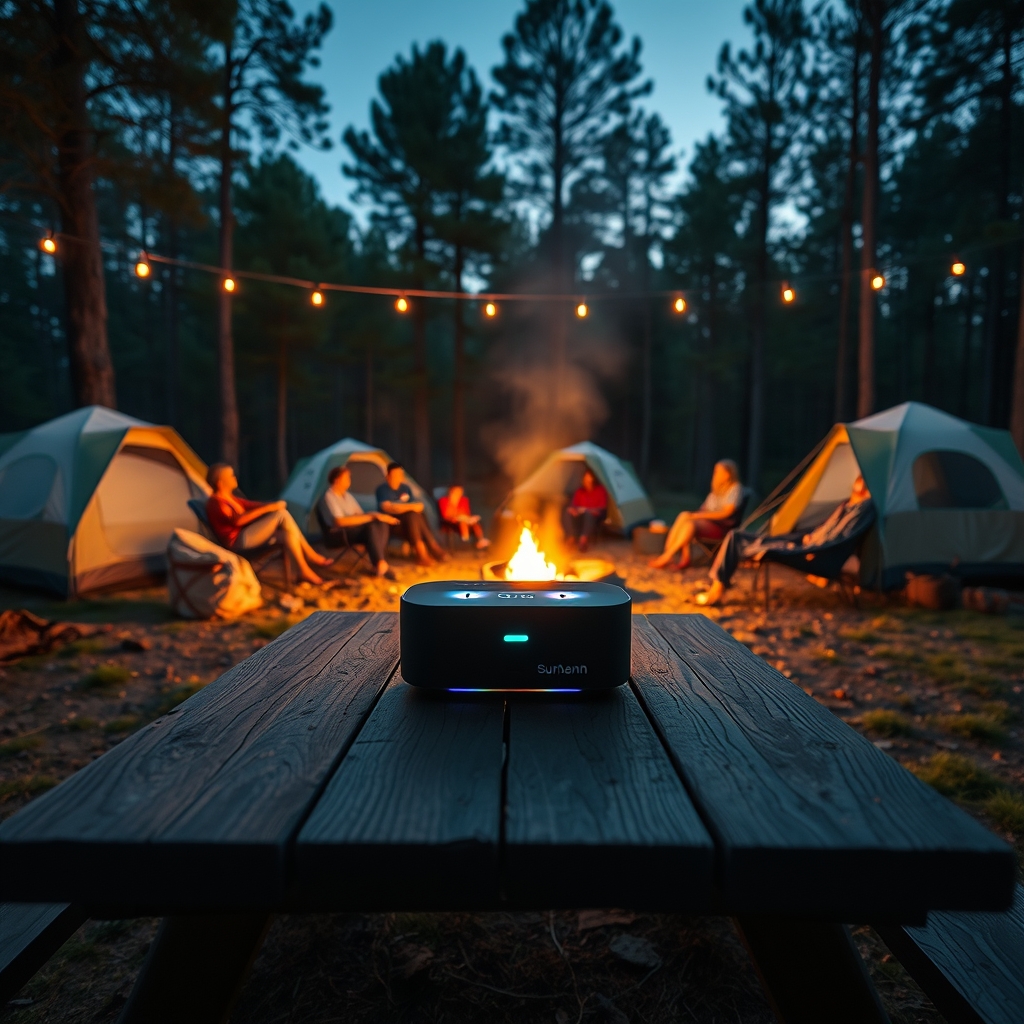
Portable mosquito repellers come in a few main styles. The most common use heat to activate a small chemical pad (often allethrin-based), which then releases a vapor that keeps mosquitoes at bay. Brands like Thermacell screw onto regular isobutane camping canisters and weigh less than half a pound. These are effective for outdoor living areas and quick setup at camp.
Other types include electronic or ultrasonic units. These devices claim to use sound waves to drive mosquitoes away; however, field results are mixed, and most scientific reviews show limited real-world effectiveness. There are also battery-powered fan traps, which lure mosquitoes and trap them—these are more for basecamp setups due to their size and power needs.
Heat-activated units, in particular, offer multi-day intermittent use, with a single 4-ounce canister fueling them up to ninety hours if run only during peak bug times (source).
Efficacy comparison — devices vs sprays/lotions (lab vs real world)
Lab tests consistently show that DEET (25–30 percent) and 20 percent picaridin-based repellents score highest for complete, long-lasting mosquito protection. Their coverage moves with you, ensuring no bites on exposed skin when applied correctly. Portable mosquito repellent gadgets perform best when campers stay within a tight radius (one to two meters) and wind conditions aren’t extreme. Realistically, the “percent reduction” means a lot fewer mosquito landings, but not total elimination—especially at the edge of, or outside, the device’s range. If you’re restless or moving beyond its zone, bites are possible.
For comparison: Devices claim ~85–95 percent landing reduction close by, while top-quality DEET/picaridin keeps 96–99 percent of bites at bay even during movement. Think of devices as creating a “bubble” while topical repellents work wherever you go.
Real user complaints and limitations (what campers actually report)
Campers appreciate the comfort a camping bug repellent device provides for hands-free protection, but several consistent limitations come up in user reports:
- Limited range: The protection zone rarely extends beyond two meters. Larger groups or active campers may need multiple units.
- Battery and cartridge management: Device batteries or fuel canisters typically run six to twelve hours, so longer trips require careful planning for recharging or carrying spares.
- Weather impact: Heavy rain and persistent wet conditions can seriously reduce device performance.
- Odors: Some models produce a faint smell, which may bother sensitive users.
- Weight/bulk: Extra canisters, repellent mats, and backup batteries add to pack weight, which can be a drawback for long hikes or ultralight trips.
As with any device, backup is wise. Many users also carry small bottles of proven insect repellent gadget outdoor products alongside their device to ensure protection during movement, rain, or in dense swarms.
Cost and runtime — what to expect in 2024
The price for a complete portable mosquito repeller kit runs between thirty-five and seventy dollars for standard models, with premium options (extended battery, large mats, or weatherproofing) running ninety to one hundred twenty dollars. Expect to spend more on spares for longer trips: repellent mats generally last about four hours each, while a single 4-ounce canister enables up to ninety hours of intermittent (not continuous) use. Full battery recharge cycles provide six to twelve hours before requiring a top-up. When planning costs, factor in the number of mats or canisters needed for your trip duration and amount of packable weight you can spare.
For more smart budgeting on camping technology, see our tips in this rechargeable camping lantern guide.
How to choose the right device for your trip (decision checklist)
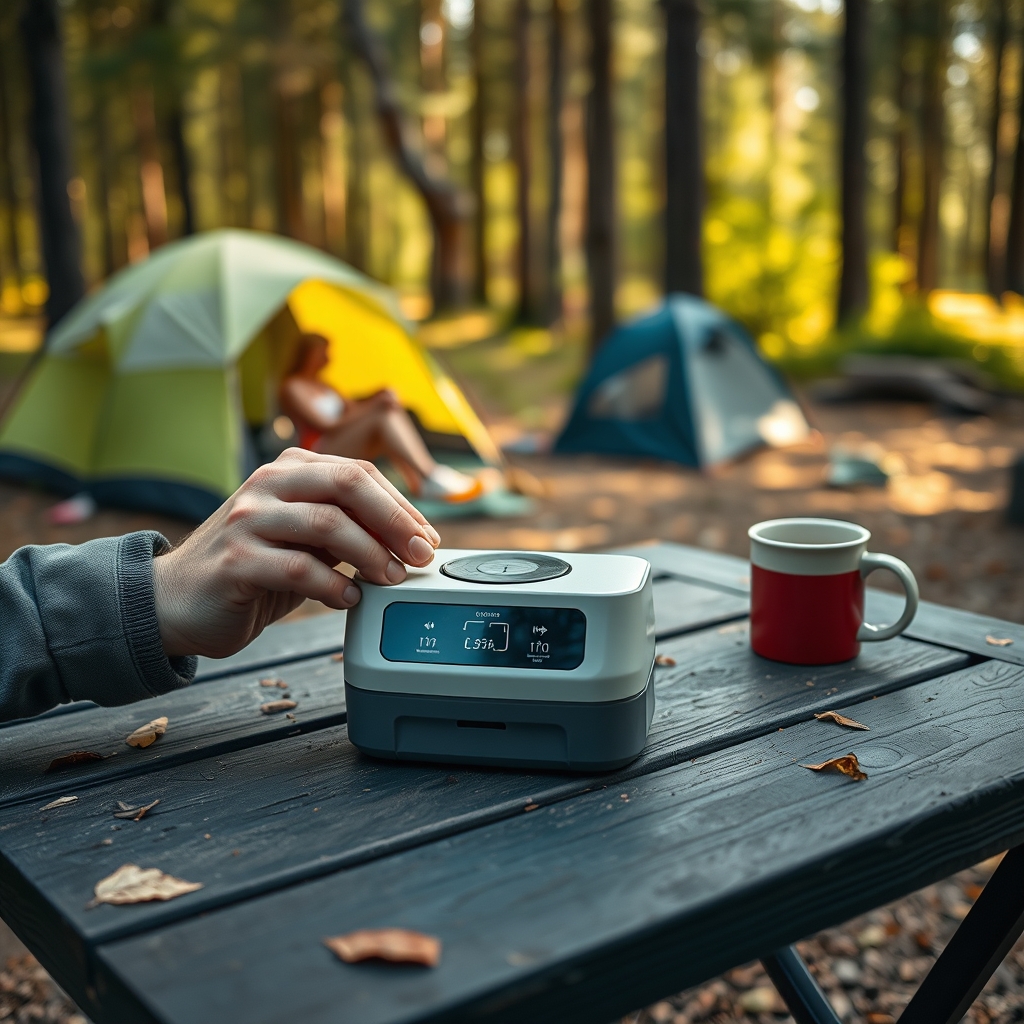
- Group size and coverage area: If camping with four or more people, consider multiple units or supplement with a topical mosquito repellent gadget camping product to ensure all are protected.
- Trip length: Battery runtime (six to twelve hours) and canister duration (up to ninety hours intermittent) dictate the number of spares required per trip.
- Weather forecast: Bring topical backup if rain is likely, as device efficacy drops with wet conditions.
- Packing strategy: Weigh device plus fuel/mat spares against alternatives. Check out our ultralight camping chair guide for tips on optimizing both comfort and pack weight.
- Bug pressure: For known high-density mosquito zones, layering device and topical layers remains safest.
Choosing the right combination improves comfort and reliability, especially for family campers, backcountry explorers, and anyone keen on minimizing bug bites and stress.
Field-use tips to maximize device effectiveness
To get the most from your camping bug repellent device, proper placement and management are essential:
- Position the device centrally in your seating or cooking area. For larger campsites, use more than one device, each two meters apart, or supplement with topical repellent.
- If possible, set the device upwind from where you’ll be sitting; the vapor will drift through your space.
- Monitor mat color changes to know when to swap. Avoid running devices during heavy downpours.
- Recharge batteries or swap canisters at predictable intervals (every six to twelve hours for batteries; every four hours for mats in premium models).
- Pair your bug repellent device with sensible outdoor gadgets (like portable showers after muddy hikes) for a more comfortable, bite-free experience.
Remember, no device is foolproof, but thoughtful use makes a massive difference when outdoors with family or friends.
Alternatives and hybrid strategies (best practice for serious protection)
For serious mosquito protection, the best approach is to combine a bug repellent camping device with high-quality topical repellents. Use hands-free devices for relaxed, stationary moments—meals, games, or social hours under a canopy. Apply DEET or picaridin products directly to exposed skin before hikes, at dusk, or any time when biting pressure is high or movement takes you outside the device’s small protection bubble.
If you plan to visit areas with vector-borne disease risk (like West Nile or Lyme), the CDC recommends prioritizing topical repellents or, at minimum, using them in conjunction with devices. To learn more about optimizing your entire gear kit, check out our season kickoff feature: Camping Season Outdoor Adventure Essentials.
Quick buying guide and cost scenarios (short, actionable table or bullets)
| Camper Type | Recommended Device | Upfront Cost Range | Essential Spares |
|---|---|---|---|
| Day Hiker/Picnicker | Mini battery-powered portable mosquito repeller | $35–$50 | 1 extra mat/cartridge, spare power bank |
| Family Car Camper | Full-size camping bug repellent device (eg. Thermacell with canister) | $60–$90 | 4+ mats, extra 4-oz canister(s) |
| Backcountry Ultralighter | Lightest repeller or focus on proven topical repellent | $35–$50 (device) or $10 for spray | Limit extras—mats and spray as backup |
For more ways to trim bulk and power demands on your next trip, check out our solar camping generator guide.
FAQs campers ask
Do bug repellent camping devices work during rain?
Performance drops significantly in persistent rain or soaking conditions. Always carry topical backup in wet forecasts.
Can I use these devices inside a tent overnight?
Most manufacturers do not recommend running repellent devices inside an enclosed tent for safety. Use a topical repellent for protection while sleeping.
How many devices are needed for a six-person group?
Coverage zones are about one to two meters per unit. For a six-person campsite, consider at least two or more devices, or supplement with topical sprays for everyone.
Are bug repellent camping devices safe for children and pets?
When used outdoors as directed, they’re generally considered safe. However, avoid direct inhalation of vapors and follow all manufacturer guidelines for usage and placement around kids and animals.
What should I do if mosquitoes are especially bad or the device isn’t working well?
Layer in a proven topical repellent and move closer to the device or regroup camp seating within its range for best protection.
Final recommendation and next steps
A portable mosquito repellent gadget camping solution is a game-changer for static, hands-free comfort at the campsite, but it will not fully replace sprays or lotions in high-risk bug scenarios. Leading devices offer 85–95 percent reduction in bites within two meters, which is excellent for meals, socializing, or supervised kids’ play. However, for best results—especially in buggy, rainy, or high-disease-risk destinations—always pair devices with a reliable topical repellent.
Test different models, pay attention to battery life, pack weight, and fuel logistics, and don’t gamble with your trip comfort. Explore our editorial picks or learn more with our Camping Season Essentials and Ultralight Camping Chair Guide. Take control of your mosquito protection camping strategy with both tech and traditional means for your next adventure!