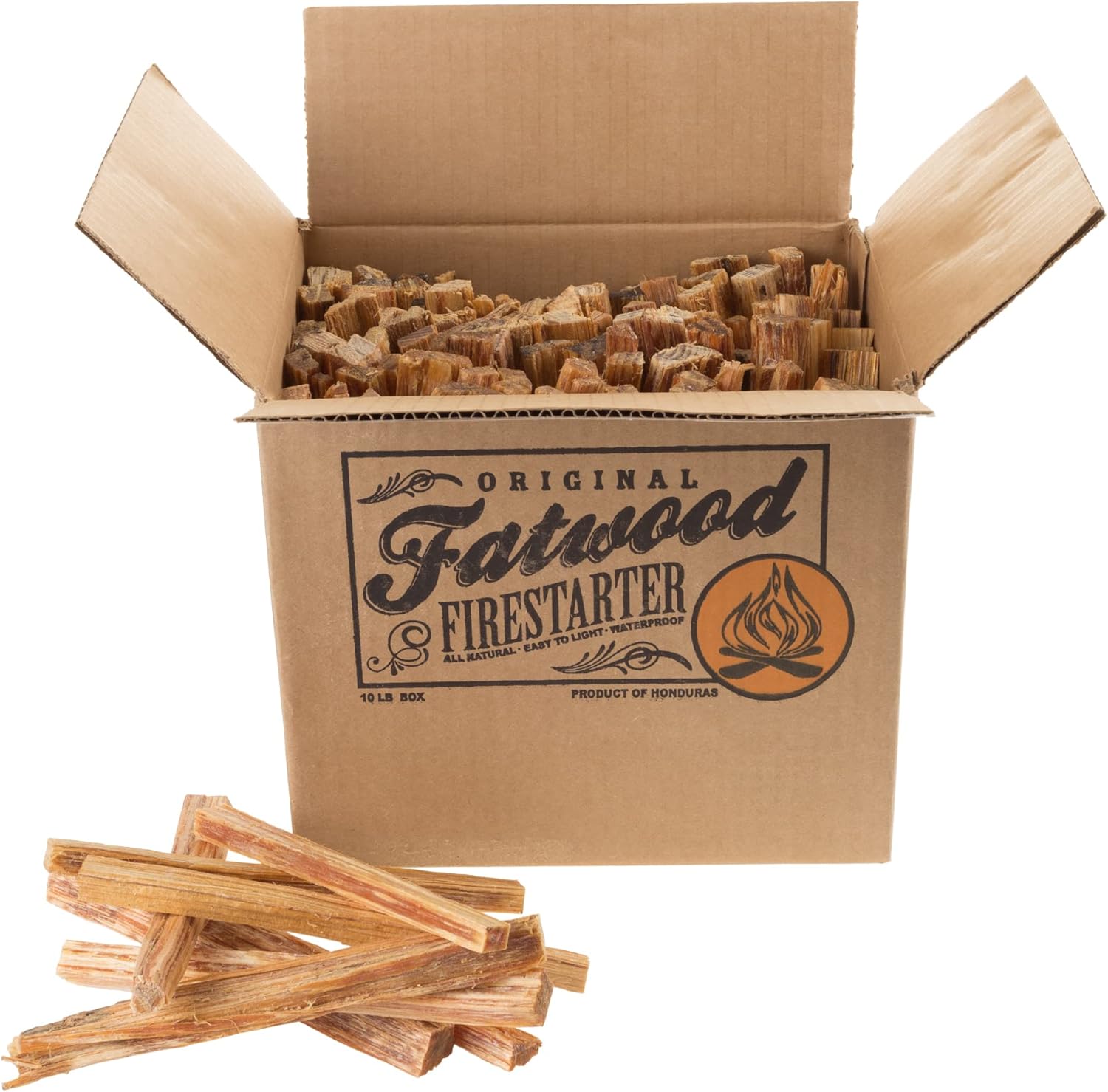
An all-natural pine fatwood starter box aimed at campers, grill users, and backyard fire-pit owners who want a faster, less fussy way to get flames going without chemical starter bricks.
Disclosure: This review contains affiliate links. If you buy through them, BugFreeCamping may earn a commission at no extra cost to you.
How this review was built: This assessment uses the Amazon listing and gallery for ASIN B08NRJDLN4, the official Pure Garden product page, a matching Best Buy listing, and National Park Service campfire guidance. The Pure Garden page currently blends a single 10-pound box with a 10-lbs x2 variant, so packaging details are treated carefully.
Table of Contents
Fatwood Fire Starter Sticks Review for Campfires, Fire Pits, and Grill Nights
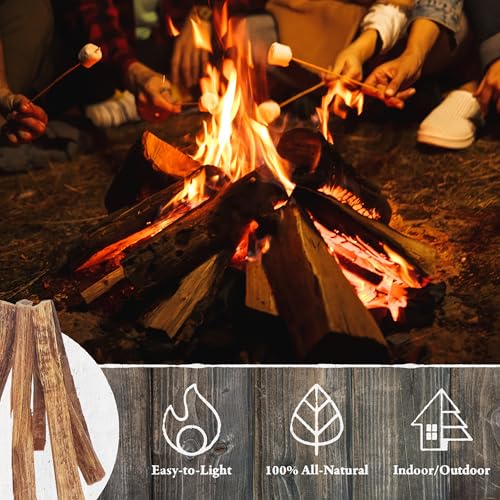
Fatwood fire starter sticks make the most sense for campers and backyard cooks who want a low-fuss way to get a flame going without reaching for lighter-fluid bricks or synthetic cubes. The appeal is straightforward: this is resin-rich pine sold as a natural starter, and both Amazon and Pure Garden frame it as a quick-light option for campfires, wood stoves, fire pits, fireplaces, and grills.
If you are comparing fatwood fire starter sticks with compressed starter blocks, the biggest advantage is simplicity. You are buying real wood that is supposed to ignite fast, burn hot enough to help kindling catch, and store cleanly in a box that can stay in a garage, gear tote, or camp kitchen. If you want to compare the current listing first, you can check the Amazon listing here.
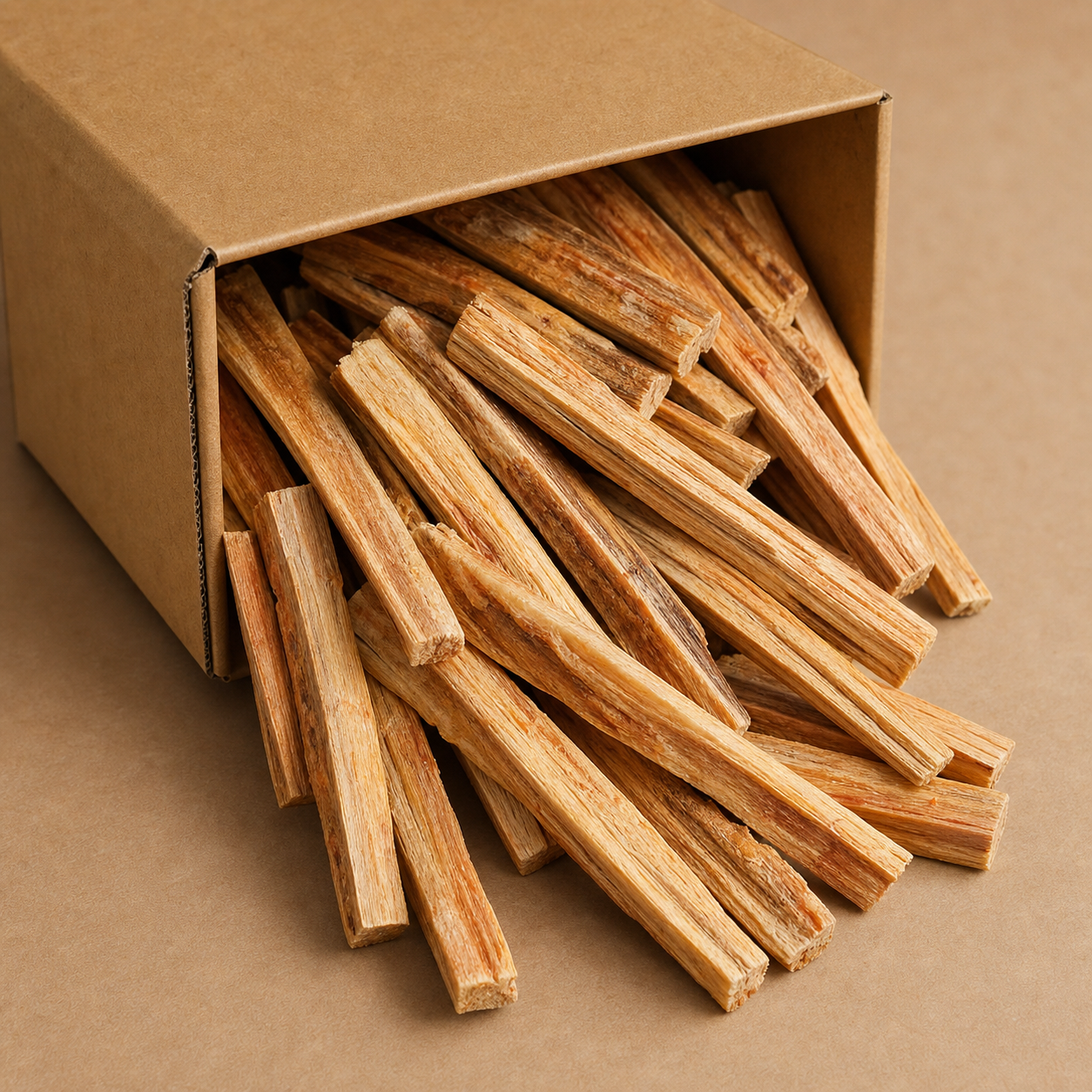
At the time this source row was selected, the sheet listed the product at $28.54 with a 4.8 rating. During this run, the live Amazon page showed 4.7 stars from 1,002 ratings, which is still a healthy review signal for a simple utility product. That combination suggests shoppers generally get what they expect, even if this is not the sort of item people rave about in poetic detail.
The bottom line is that this product is useful when you judge it by its actual job. It is not a magic fire solution, and it will not rescue poor fire-building habits by itself. It is a natural wood starter meant to save time, reduce frustration, and help your first flame happen faster.
Key features and specs
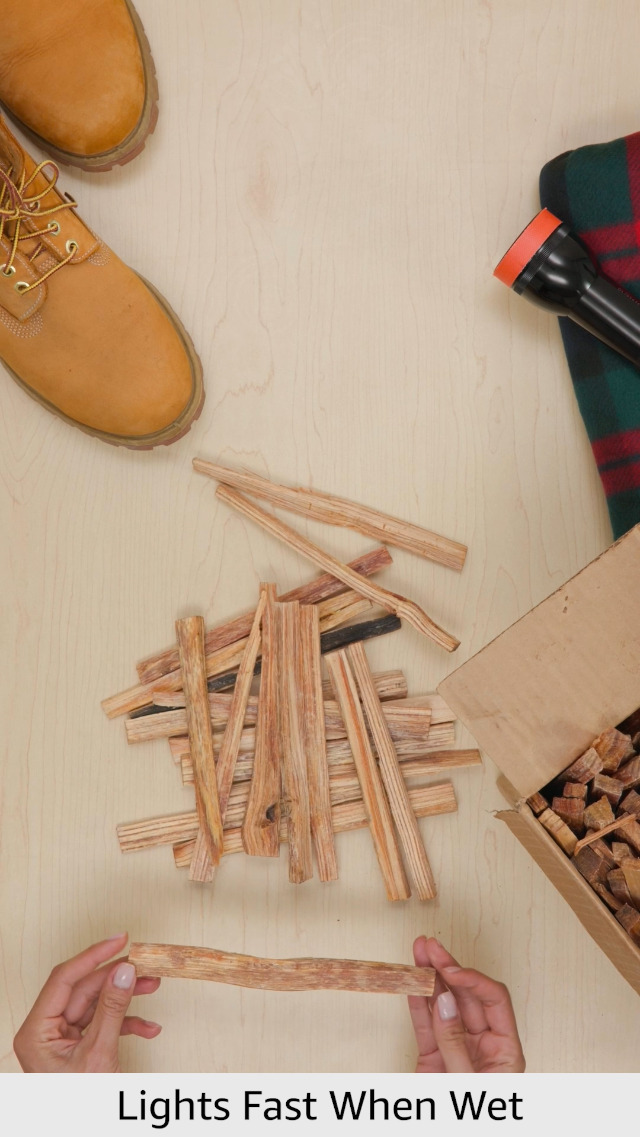
Pure Garden positions fatwood fire starter sticks as all-natural pine loaded with the resins that help the wood ignite quickly. The brand page says two or three sticks are enough to start a fire, and both the official page and Amazon say the sticks can light even when damp or wet. That matters for campers who want less dependency on perfectly dry pencil-thin kindling.
The most important caveat is documentation clarity. The official Pure Garden page currently mixes a single 10-pound box with a 10-lbs x2 variant, while the Amazon listing and Best Buy page more clearly present the single-box version. That does not break the product case, but it does mean you should trust the core material-and-use facts more than any packaging nuance on the brand site.
In practical terms, the specs that matter most are simple: natural pine, a 10-pound box, broad compatibility with common fire setups, and straightforward starter instructions. That is enough information to judge the product honestly. You are not buying a complex stove component. You are buying a box of starter wood that should help you move from spark to stable kindling with less hassle.
Best real-world use cases
In real car-camping use, fatwood fire starter sticks are more convincing than they would be for backpacking. A 10-pound box is not something you throw into an ultralight loadout, but it is easy to justify in a vehicle kit, patio bin, or garage shelf where convenience matters more than grams. That makes the product a better fit for frontcountry camping, backyard fire pits, and grill nights than for minimalist backcountry travel.
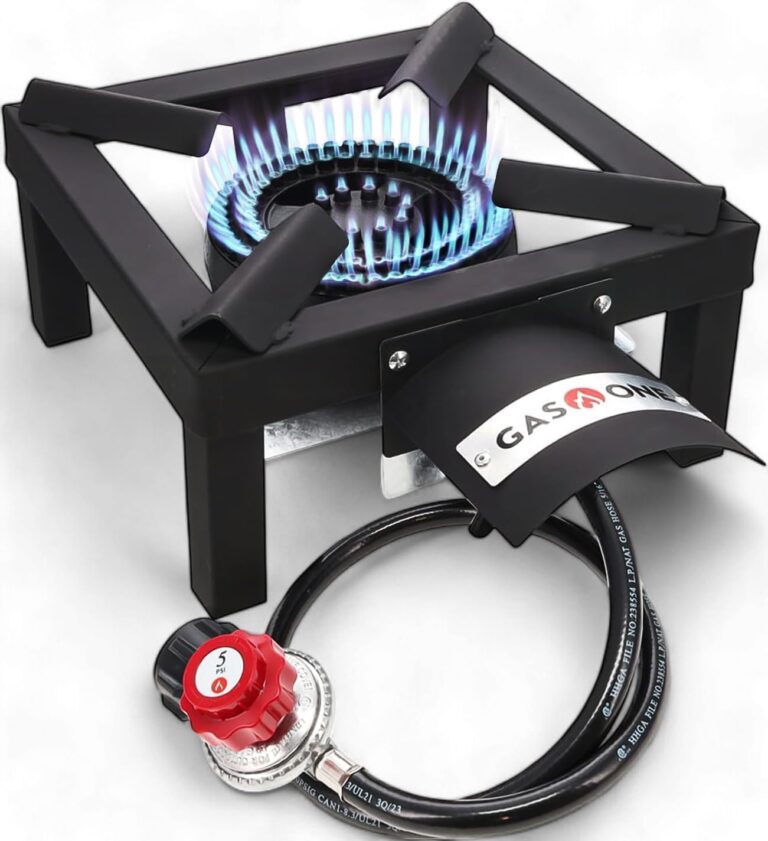
The broadest win is flexibility. If you already keep a skillet setup like our Lodge cast iron skillet review pick or a larger cooker like our Gas One double burner review, it is easy to see how a dependable starter belongs in the same camp-kitchen system. The same logic applies to campfire cooking nights when you want flame quickly instead of spending extra minutes babying damp tinder.
It also helps that the learning curve is low. New campers do not need to memorize a complicated routine here. Use a few sticks, build upward with kindling, and manage airflow like you normally would. That is part of why the product feels more practical than flashy.

Safety and setup notes
The main reason people buy fatwood fire starter sticks is convenience, but the most important context is still safety. The National Park Service campfire guide is a good reminder to follow local fire rules, keep fires in approved areas, and never assume a starter product replaces basic fire management. This product can help you light a fire; it cannot make a bad fire setup safe.
That matters even more in shoulder-season camping, windy nights, or busy family campgrounds where it is easy to rush the setup. You still need dry-enough fuel above the starter, an appropriate fire ring or contained pit, and water or an extinguishing plan nearby. If a site has burn restrictions or bans, the right move is to skip the fire entirely, no matter how effective the starter might be.
Storage and handling look easy. Because this is natural pine rather than a leaky liquid or greasy paste, it should be simpler to keep in a plastic tote, truck box, or garage shelf without the mess some synthetic starters create. That cleaner storage story is one of the best arguments for the product.
Who should buy it and who should skip it
Fatwood fire starter sticks fit frontcountry campers, backyard fire-pit owners, cabin users, and grill-first households better than they fit ounce-counting travelers. If your goal is quick fire starts at a stable campsite or on a patio, the product lines up well with that need. If your goal is tiny packed volume, this box is more bulk than benefit.
That is why fatwood fire starter sticks are easier to recommend to shoppers who value convenience, repeatability, and natural-material simplicity over raw packability. They also make more sense for people who regularly light charcoal or wood fires than for shoppers who only build one or two recreational fires each year. The more often you need a reliable starter, the more sensible a larger box becomes.
You should skip this product if you want lab-style documentation, compact backpacking proportions, or a guarantee that any fire will catch under bad conditions. The product story is solid, but it is still a humble accessory. It works best when your expectations stay grounded in that reality.

Frequently asked questions
How many sticks should you use to get started?
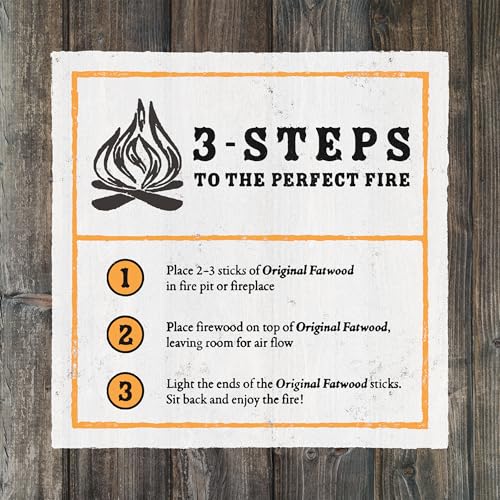
The official brand guidance says most fires can start with two or three fatwood fire starter sticks, then kindling and larger fuel on top once the flame catches.
Are they only for campfires?
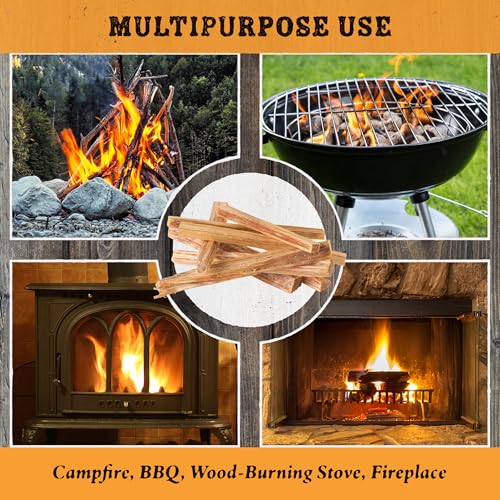
No. Amazon and Pure Garden both position the product for campfires, fireplaces, fire pits, wood stoves, and BBQ grills, which gives it more flexibility than a niche single-purpose starter.
Are fatwood fire starter sticks a smart option for wet conditions?
They can be useful when conditions are less than ideal because both major product sources say the resin-rich wood can light even when damp or wet. That said, they still work best as part of a sensible fire lay with appropriate fuel above them.
What is the biggest drawback?
The biggest drawback is not performance so much as product-page clarity. The current Pure Garden page creates some confusion between the single box and a double-box variant, which is avoidable documentation sloppiness.
Final verdict
That keeps fatwood fire starter sticks in the lane of practical camp and backyard gear rather than must-have survival hardware. The product offers a believable value case, a strong enough review signal, and a material story that is easy to understand. For shoppers who regularly light wood or charcoal fires, that is often enough.
If you want a cleaner, simpler way to start campfires, fire-pit evenings, or grill sessions, this product is worth a look. Compare the Amazon listing with the Pure Garden product page, keep the National Park Service fire guidance in mind, and buy it as a convenience tool rather than a substitute for safe fire-building habits.