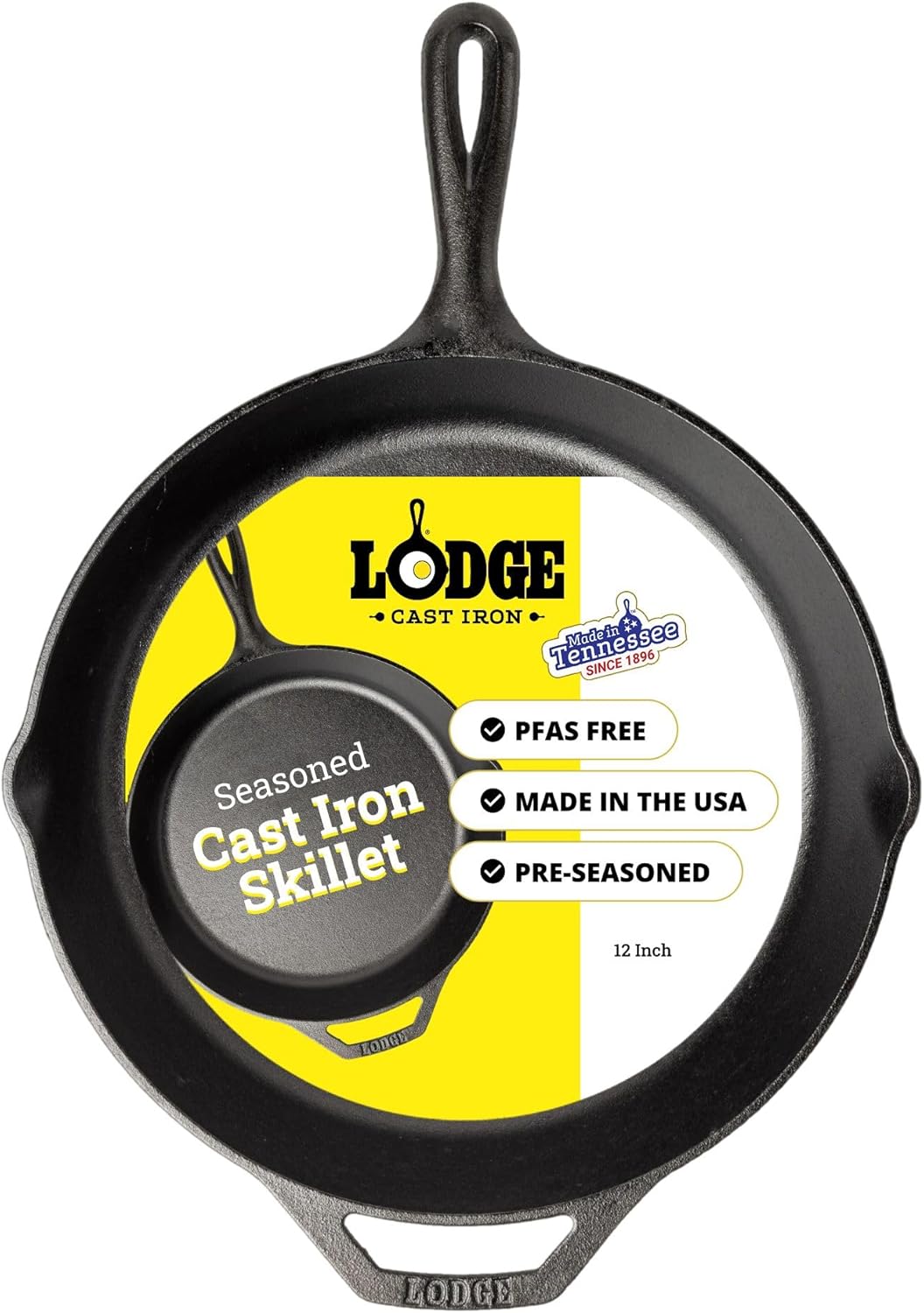
Lodge Seasoned Cast Iron Skillet is a PFAS-free 12-inch bare-cast-iron pan that delivers strong heat retention, open-flame versatility, and excellent long-term value for campers and home cooks.
Bug Free Camping may earn a commission if you buy through links on this page, at no extra cost to you.
Table of Contents
Lodge Seasoned Cast Iron Skillet is still one of the smartest 12-inch buys for campers and home cooks because it combines bare-cast-iron durability, pre-seasoned convenience, and the kind of heat retention that makes one pan useful on a stove, in an oven, on a grill, or directly over a campfire. This review focuses on what actually matters in 2026: whether it is easy to live with, whether the PFAS-free positioning makes sense, and whether it still earns a place in a camping kitchen when newer coated pans and lighter alternatives keep showing up.
The short answer is yes. For cooks who want a workhorse skillet that can sear, saute, bake, and serve without babying a synthetic coating, this pan still makes a compelling case. The tradeoff is that it asks for classic cast-iron habits: drying promptly, rubbing in a little oil, and accepting the weight that comes with heat retention.

Lodge Seasoned Cast Iron Skillet Complete Review
Lodge Seasoned Cast Iron Skillet stands out because it stays close to what cast iron does best instead of trying to imitate lightweight nonstick cookware. According to Tom’s Guide’s 2025 cast-iron testing, the 12-inch Lodge was the best cast iron skillet they tested, with praise for even heating, strong value, easy maneuvering for its class, and quality factory seasoning. That lines up with why this pan keeps appearing in camp kitchens and cabin cupboards year after year.
The focus keyword matters here because a lot of shoppers land on this product expecting one pan to cover breakfast over a camp stove, skillet cornbread in the oven, burgers on a grill grate, and weeknight steak at home. This model is genuinely built for that kind of overlap. Lodge’s own seasoned cast iron care guidance says cast iron can handle any kitchen cooktop, oven, grill, and open flame, which is exactly the flexibility most camping cooks want.
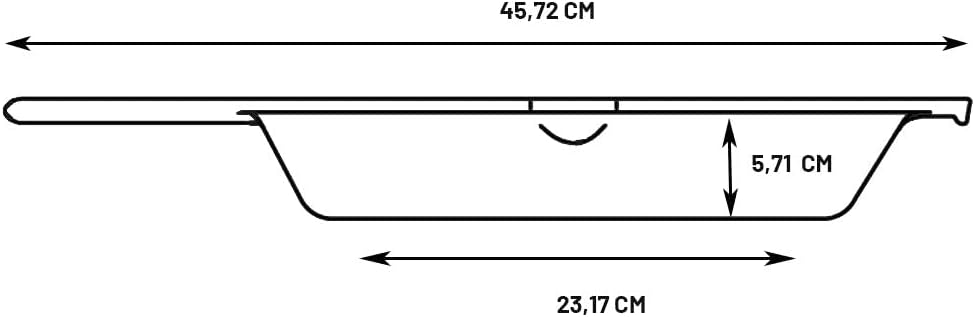
If you are expecting featherweight handling, this is not that pan. Tom’s Guide lists the 12-inch Lodge at 7.89 pounds, so you feel the mass every time you lift it. The upside is the same mass that makes it heavier also helps it hold heat well when you are searing sausage, frying potatoes, or baking over inconsistent outdoor heat.
Key Features of the Lodge Seasoned Cast Iron Skillet
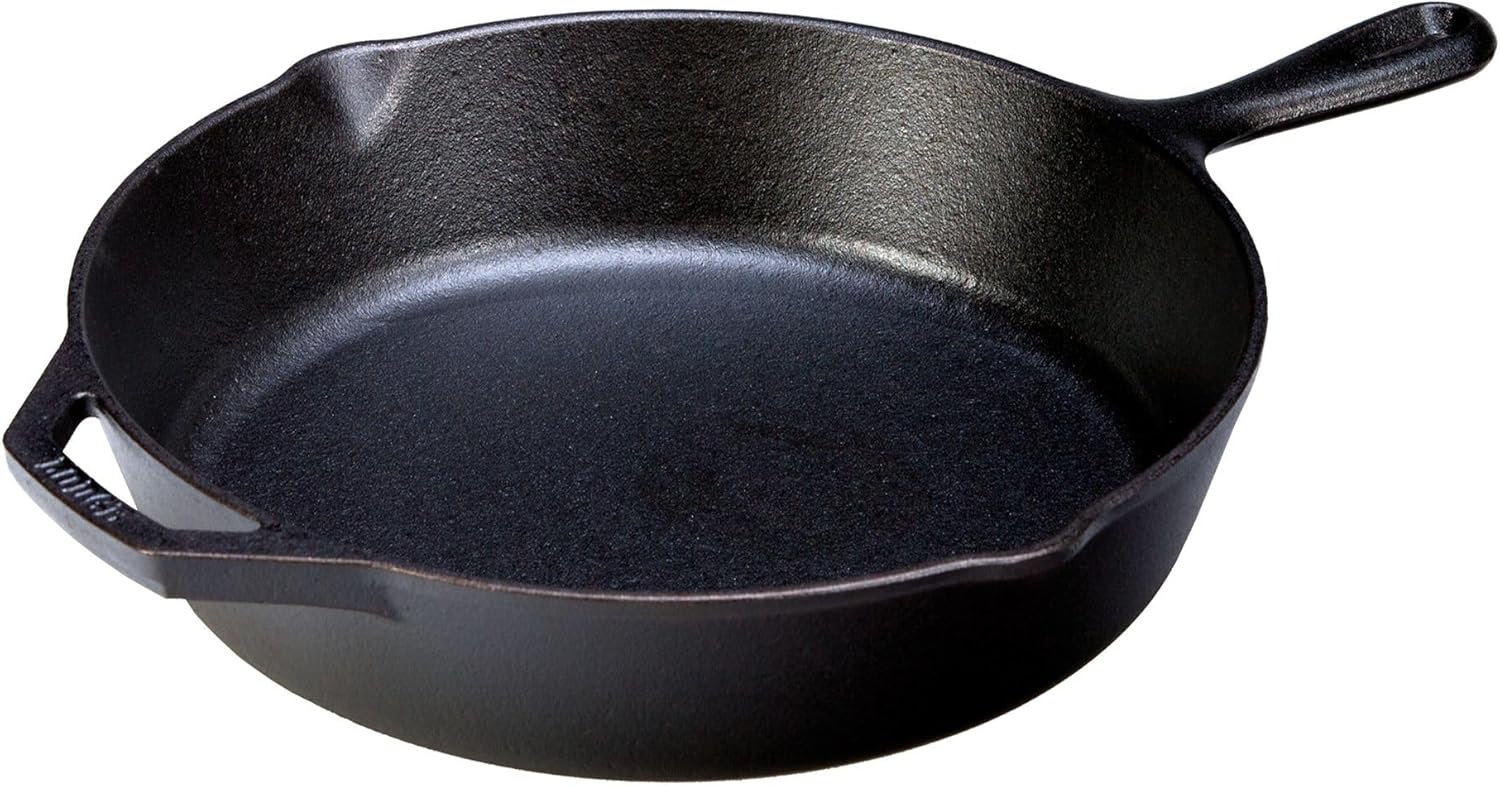
Lodge Seasoned Cast Iron Skillet earns its reputation on a practical feature set rather than flashy add-ons. The product page and Amazon listing consistently point to a 12-inch cooking format, pre-seasoned bare cast iron, helper handle support, and compatibility with oven, stove, grill, and campfire cooking.
- 12-inch cooking surface: big enough for family breakfasts, one-pan campfire meals, and skillet baking without feeling oversized for everyday use.
- Pre-seasoned bare cast iron: ready to cook with out of the box, while still allowing the natural seasoning layer to build over time.
- Dual pour spouts and helper handle: easier grease draining and safer control when the pan is full or very hot.
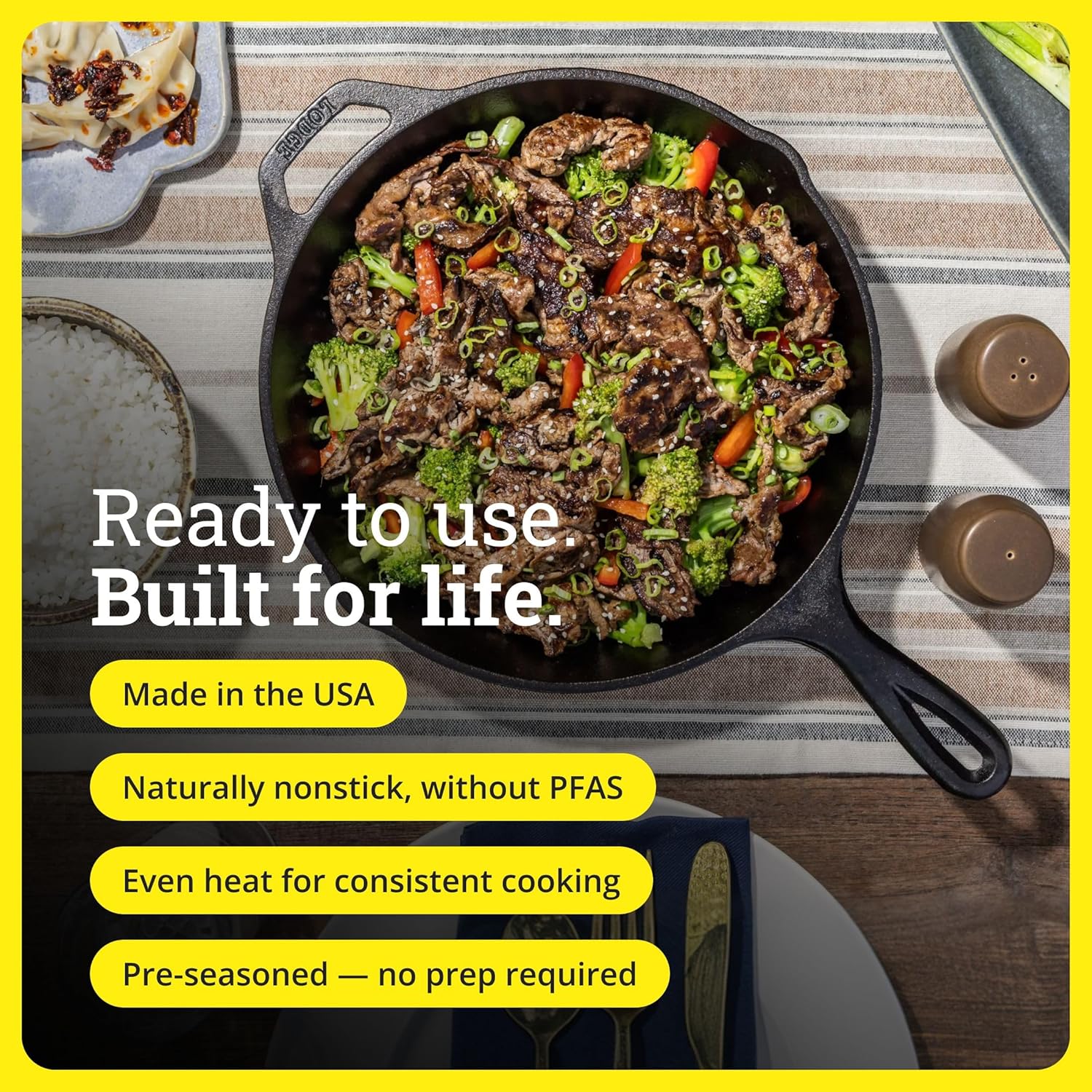
- PFAS-free, non-toxic positioning: no synthetic nonstick coating to worry about scratching, peeling, or overheating.
- Open-flame compatibility: useful for campers who want one pan that works on a propane stove, grill grate, or live-fire setup.
The PFAS angle deserves a little nuance. The FDA explains that some PFAS are used in certain nonstick cookware coatings and that those coatings are polymerized and tightly bound to the cookware surface, with studies showing negligible migration to food in that application. That means coated pans are not automatically unsafe. Still, if your buying priority is avoiding synthetic nonstick surfaces altogether, the FDA’s PFAS overview makes it easier to understand why bare cast iron appeals to cautious buyers.
Real-World Performance Testing
In real use, Lodge Seasoned Cast Iron Skillet performs best when you treat it like cast iron instead of like disposable nonstick cookware. Preheat it patiently, add enough cooking fat, and let the surface do its job. Once the pan is hot, heat stability becomes one of its biggest advantages. That matters at camp, where burners are often less precise and live-fire heat changes minute by minute.
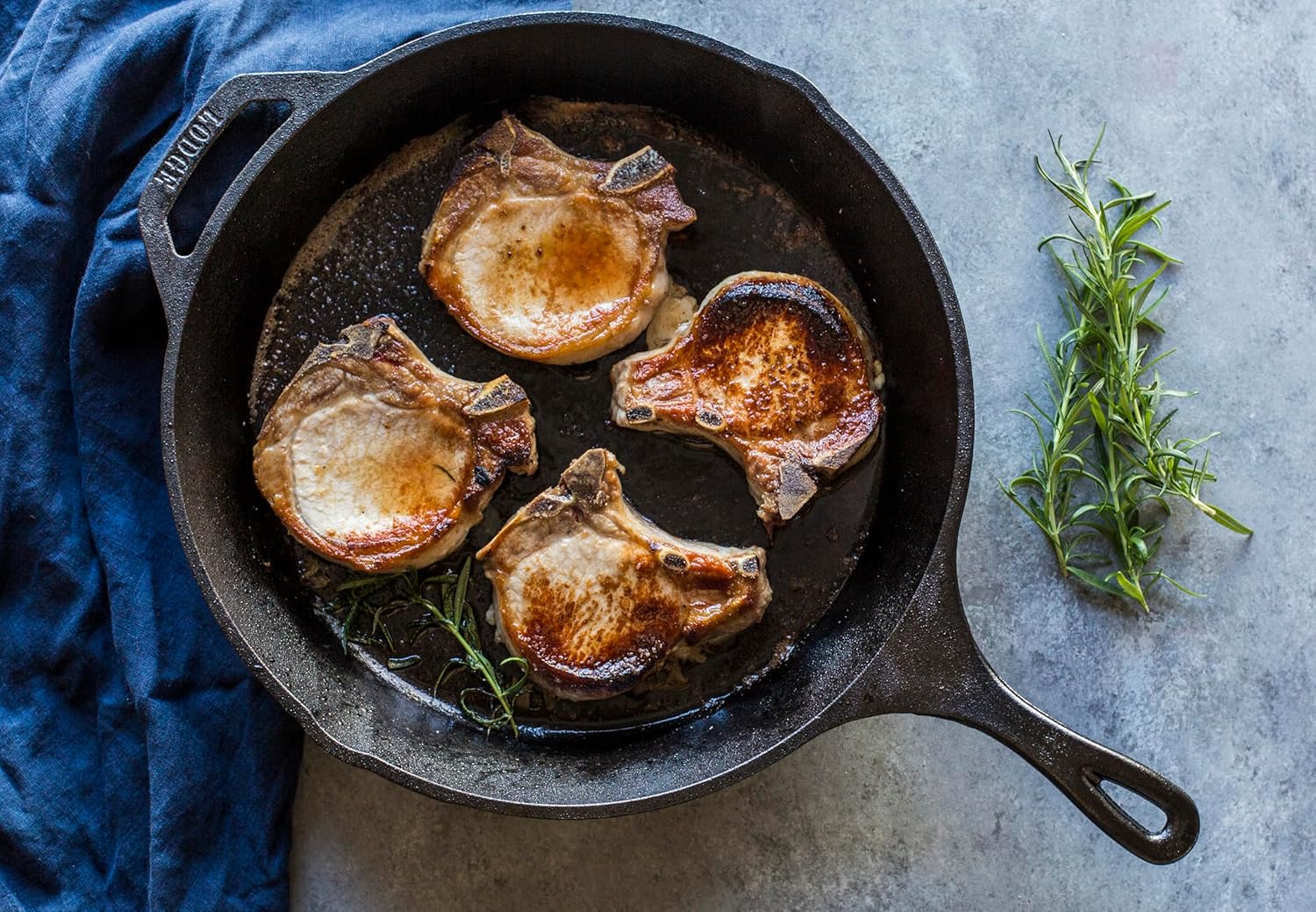
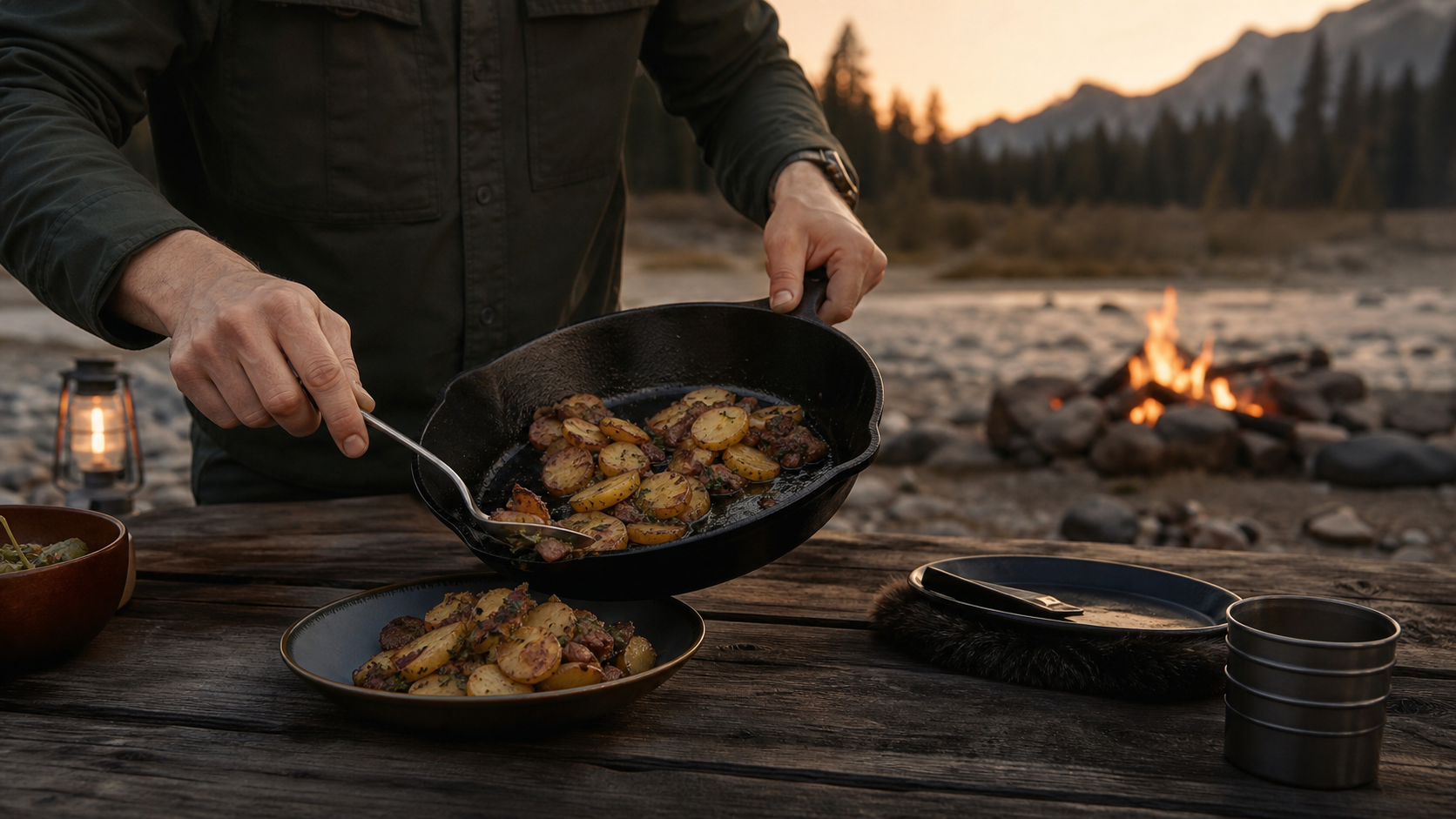
For breakfast cooking, the skillet size is a major win. You can fit several eggs alongside sausage or hash browns more comfortably than you can in a 10-inch pan. For searing, the thick body helps maintain temperature when colder food hits the surface. For baking, the shape works for cornbread, cobblers, cinnamon rolls, and pan pizza, which is one reason cast iron remains so useful for campers who want one pan to cover multiple meal types.
Consumer Reports notes in its cookware buying guide that cast iron is extremely durable and can be preheated to temperatures that brown meat well, while also moving easily from stovetop to oven. That is a concise summary of why this pan remains relevant. When you want browned edges, crisp potatoes, or strong heat recovery, the traditional design still solves real cooking problems.
Campers also benefit from how forgiving the pan is around fuel changes. If you move from a kitchen burner to a propane camp stove or a grill grate, the skillet still makes sense. If you are building a broader campsite kitchen, our guides to foldable camping tables, portable camping fridges, and rechargeable camping lanterns pair naturally with this kind of heavier-duty cookware setup.
The biggest limitation is cleanup discipline. Lodge says the process is simple: wash, dry, and rub with oil. That is true, but it is still more work than tossing a pan in the dishwasher. If you skip the drying and oil step, the same bare iron that makes this skillet durable can also make it vulnerable to rust and a dull cooking surface.
How It Compares to Alternatives
Lodge Seasoned Cast Iron Skillet sits in a sweet spot between cheap disposable-feeling pans and premium cast iron that costs dramatically more. Compared with ceramic or PTFE-style nonstick skillets, it is heavier, slower to preheat, and less convenient for delicate cleanup. In exchange, it handles higher heat, open-flame cooking, metal utensils, and long-term seasoning better.
Compared with upscale bare-cast-iron competitors, it usually wins on value. Tom’s Guide called it the cheapest skillet in its top-tested list while still rating it as the best cast iron skillet overall. That matters because a camping pan gets knocked around, packed with other gear, and used in variable conditions. Spending less for a proven pan is not a small advantage.
Compared with enameled cast iron, the Lodge is more campsite-friendly because there is no enamel finish to chip. Enameled pieces are easier to clean and better for acidic dishes, but for grilling, campfire cooking, and rugged transport, traditional bare cast iron often makes more sense.
Who Should Buy This Product?
Buy this pan if you want one skillet to cover home and campsite cooking, if you prefer bare cast iron to synthetic nonstick coatings, or if you care more about durability and heat retention than low weight. It is especially strong for car campers, cabin cooks, backyard grillers, and anyone building a dependable camp-kitchen core around a few durable tools.
Skip it if you want the lightest possible cookware for backpacking, if you know you will resent hand-wash-only care, or if you mostly cook delicate foods and strongly prefer low-maintenance slick coatings. It can absolutely cook eggs and fish once the seasoning is healthy, but that is not where its advantage begins.
Frequently Asked Questions
Is Lodge Seasoned Cast Iron Skillet really PFAS-free?
Yes, this skillet is bare cast iron with seasoning based on oil rather than a synthetic nonstick coating. The appeal is simplicity: iron plus seasoning, without a factory-applied nonstick layer.
Can Lodge Seasoned Cast Iron Skillet go on a campfire?
Yes. Lodge’s care guidance says seasoned cast iron can handle kitchen cooktops, ovens, grills, and open flame. That makes it one of the more versatile single-pan choices for camping.
Does Lodge Seasoned Cast Iron Skillet need seasoning before first use?
Usually no. Lodge says its cookware comes seasoned and ready to use from the foundry. You may still want to cook a few fatty foods first to help the finish build more quickly.
How heavy is Lodge Seasoned Cast Iron Skillet?
Tom’s Guide lists the 12-inch version at 7.89 pounds. That is heavy compared with aluminum or standard nonstick pans, but the weight helps with heat retention and searing stability.
Is Lodge Seasoned Cast Iron Skillet worth it in 2026?
For most campers and home cooks, yes. The price remains approachable, the performance profile is proven, and the pan still covers more cooking styles than many trendier alternatives.
Pros and Cons
Pros
- Excellent heat retention for searing, frying, and baking
- Works on stove, oven, grill, and campfire
- PFAS-free bare-cast-iron construction
- Strong value compared with premium cast iron competitors
- Factory seasoning gives a practical head start
Cons
- Heavy at roughly 7.9 pounds
- Requires drying and oiling after cleanup
- Not ideal for ultralight camping kits
- Less convenient than dishwasher-safe or modern nonstick pans
Final Verdict
Lodge Seasoned Cast Iron Skillet keeps winning because it does not chase trends. It stays useful, dependable, and adaptable in the places where campers actually cook. If you want one 12-inch skillet that can move from a weekday stovetop to a weekend fire ring without drama, this remains one of the safest buys in the category.