
### Blog Post:
Headlamp rechargeable models have changed outdoor lighting for campers and hikers, but reliability issues and overblown specs still frustrate buyers who need hands-free, dependable light for long nights outdoors.
Key Takeaways
- headlamp rechargeable Battery endurance, comfort, and actual waterproofing are more important than max lumen claims.
- Most USB-rechargeable headlamps last much less on high mode than promised, with many delivering only 1–2 hours at max brightness.
- Critical features like runtime on medium/low, charging port type, and strap comfort make or break real-world usability for camping and hiking.
- Why rechargeable headlamps commonly fail user expectations
- How to read headlamp specs correctly (lumens, runtime, beam, weight)
- Battery chemistry, charging protocols, and charging time explained
- Real model comparisons — what top 2024 USB-rechargeable headlamps actually deliver
- Comfort, fit, and thermal management (what testers overlook)
- Waterproofing & durability — how to judge IP ratings versus real performance
- Advanced topics most competitor articles skip
- Practical recommendations by use case
- Maintenance, charging best practices, and troubleshooting
- Quick buying checklist + 3 definitive picks
- FAQ
Why rechargeable headlamps commonly fail user expectations
Most outdoor enthusiasts want a headlamp rechargeable enough for multiple nights, lightweight enough for hiking, and waterproof enough for surprise storms. But three frustrations keep coming up in user reviews:
- Battery life of headlamp rechargeable on high is exaggerated. Even leading brands that promise 4–6 hours on “high” often deliver just 1–2 hours in real use, especially in cold weather—see Switchback Travel’s test results and others.
- Discomfort over time. Light, minimally padded straps and poorly balanced lamp housings cause pressure points and heat buildup. On longer hikes or overnight camps, comfort issues are a consistent complaint.
- Waterproof ratings don’t match real-world performance. IPX4 (“splashproof”) is inadequate for rain or creek crossings. Some IPX7 units leaked after submersion or exposure to windy rain, as found here and on Reddit gear threads.
These are the critical decision points. Ignore headline lumens—if a lightweight headlamp hiking model can’t hold up overnight or starts leaking after a minor dunk, look elsewhere.
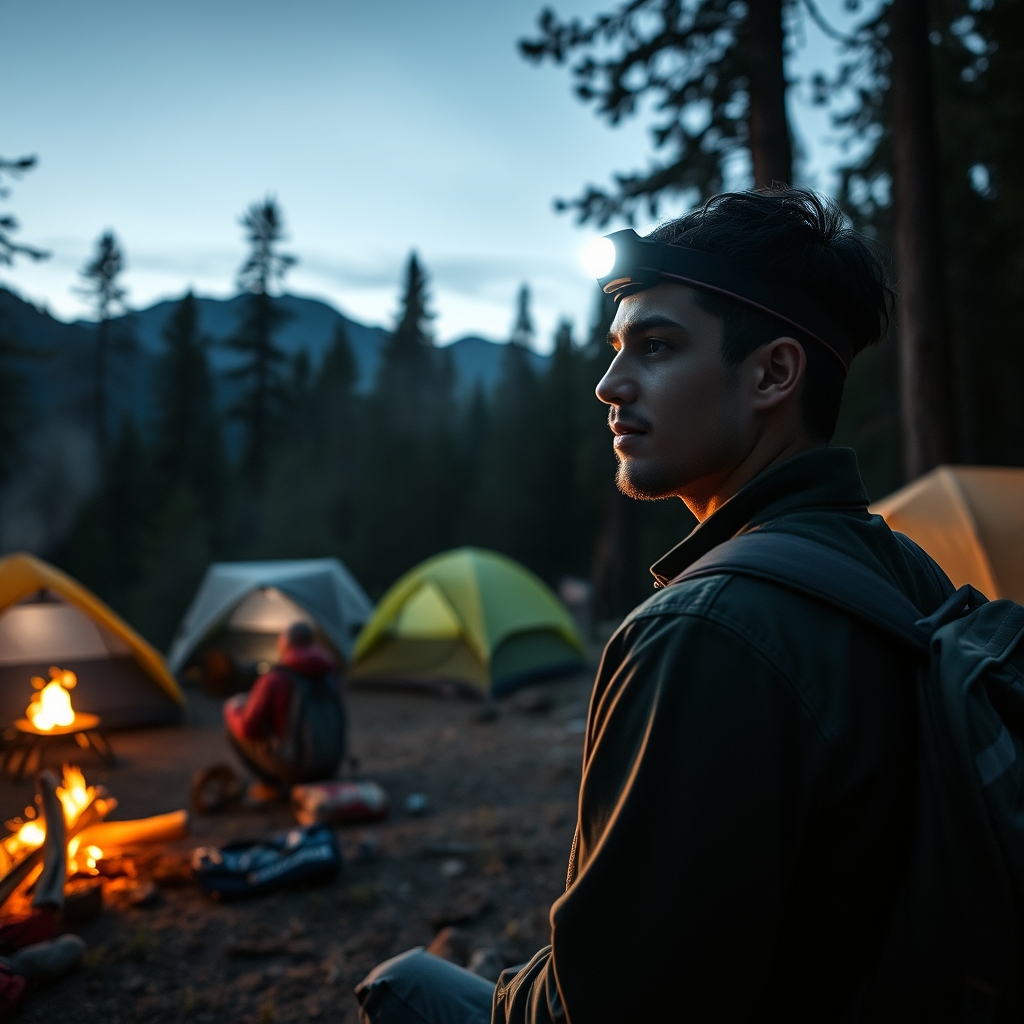
How to read headlamp rechargeable specs correctly (lumens, runtime, beam, weight)
Specs like “600 lumens!” or “up to 225 hours runtime!” dominate marketing. Here’s how to cut through it for effective USB rechargeable headlamp camping choices:
- Lumens vs. real-world runtime: High lumens are rarely used continuously. For camping, usable runtime on medium or low modes matters more. For example, Petzl Actik Core hits 600 lumens but has an actual ~7-hour high-mode runtime. The Black Diamond Spot 400-R only does 400 lumens, but gives 225 hours on low—a huge difference for weeklong camping.
- Beam pattern: “Spot” provides a narrow, long-distance beam; “Flood” offers a wide area—most campers want both. Adjustable or hybrid beams serve best for tent setup, cooking, and trail navigation.
- Weight and balance: A led headlamp camping rechargeable model might be powerful but not if it’s bulky or shifts on your head at night. Even an extra ounce can create hotspots or cause headaches after hours of use.
Internal battery backup options—like dual-rechargeable/AA—are a major plus for thru-hikes. See our rechargeable camping lantern guide for parallel strategies.
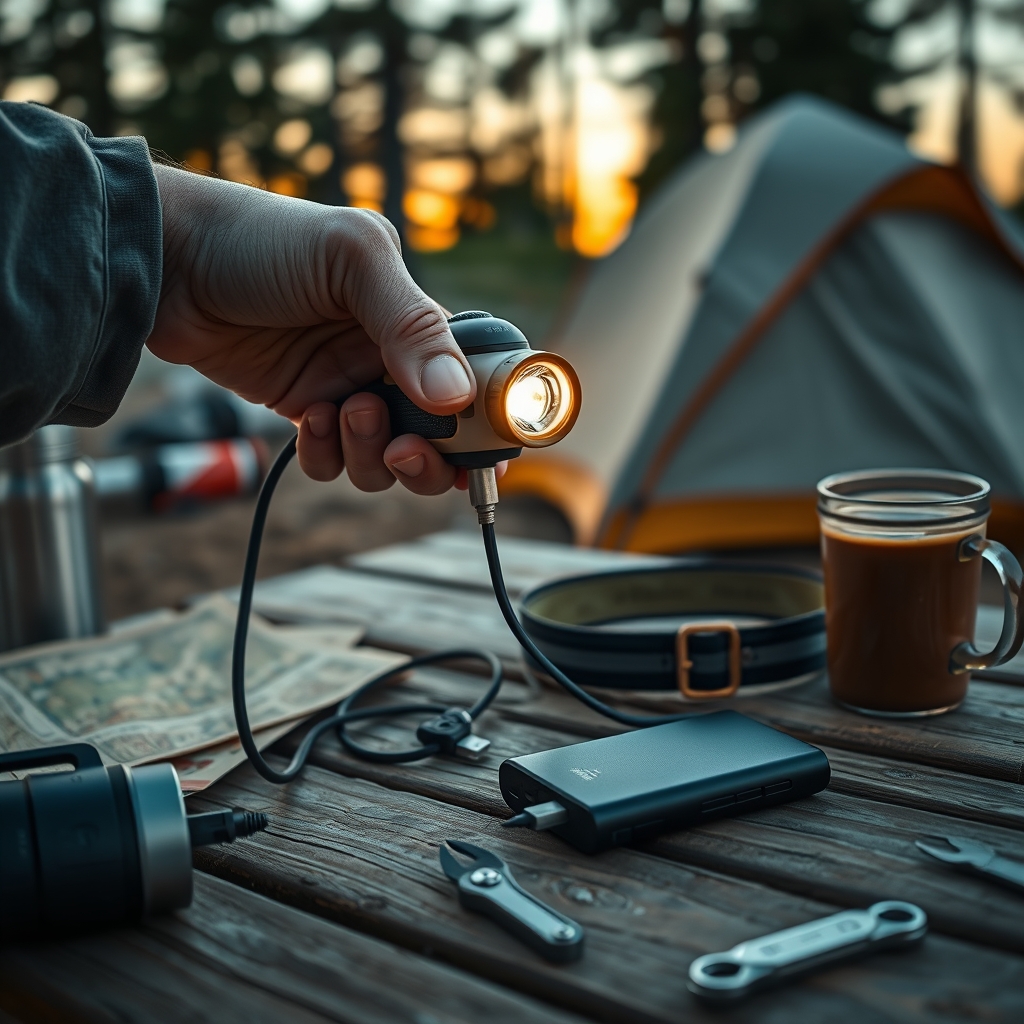
For more on portable outdoor power for camping, check our deep-dive on solar generators for camping.
Battery chemistry, charging protocols, and charging time explained
- Lithium-ion vs. replaceable batteries: Most modern USB headlamp rechargeable camping models use lithium-ion (Li-ion) cells for faster charging and longer lifespans, but in emergencies or extended trips, headlamp with battery pack hybrid solutions that accept AA or AAA batteries add crucial redundancy.
- Charging ports and protocols:
- Micro USB: Older but still present on popular models (such as Black Diamond Spot 400-R). Slower, less robust.
- USB-C: The new standard. Quicker charging, easier to use, more durable. However, many USB-C headlamps still only draw 5V/2A (10W), so actual charge time isn’t always that much faster unless true Power Delivery (PD) is supported.
- Power Delivery (PD): Select high-end headlamps and powerbanks support fast charging modes.
- Charge times: Nitecore NU25 UL charges in under an hour via USB-C (source), but many units—even newer USB-C versions—take 1–2 hours for a full recharge.
When planning multi-night trips or remote hikes, it’s smart to pair your USB rechargeable headlamp camping setup with a portable power station for universal power output, especially if your group relies on multiple devices.
Real model comparisons — what top 2024 USB-rechargeable headlamps actually deliver
Let’s strip marketing away and look at field-tested, balanced recommendations for a headlamp rechargeable camper can truly depend on (source):
| Model | Lumens (max) | Weight | Charging | IP Rating | Runtime (High/Low) | Best For |
|---|---|---|---|---|---|---|
| Nitecore NU25 UL | 400 | ~1.7 oz | USB-C (sub-hour) | IP66 | 2.5h (high)/10h (low) | Ultralight/minimalist |
| BioLite Range 500 | 500 | ~3.5 oz | USB-C (fast charge) | IP67 | <3h (high)/~8h (med) | All-round runner/camping |
| Petzl Actik Core | 600 | 2.6 oz | USB-C + AA/AAA hybrid | IPX4 | 7h (high)/130h (low) | Camping/backup |
| Black Diamond Spot 400-R | 400 | 2.6 oz | Micro-USB | IPX8 | 2h (high)/225h (low) | Durability/weather |
- Nitecore NU25 UL: For ounce-counters, this led headlamp camping rechargeable is as light as they come—but know the high mode won’t last all night.
- BioLite Range 500: Balanced for comfort, USB-C charging, superb waterproofing for surprise storms—but runtime is under 3 hours on high. Very useful for runners or wet camps.
- Petzl Actik Core: The best “hybrid” solution for those who want USB plus disposable backup power in one.
- Black Diamond Spot 400-R: The heavyweight option for true durability and water submersion. High mode is short-lived, but it shines at low for days.
For lantern needs around camp, see our hands-on rechargeable lantern guide as well.
Comfort, fit, and thermal management (what testers overlook)
A lightweight headlamp hiking model is no good if it pinches, slides, or heats up mid-trail. Here’s what matters for actual comfort:
- Strap design: Wider, elastic, non-slip straps with moisture-wicking linings minimize pressure. Look for soft or ventilated bands.
- Lamp balance and housing: Centered battery and lamp units are less likely to shift. Large remote battery packs (common in high-output lamps) may unbalance the fit.
- Padding and adjustment: If you can’t try on in person, check reviews for accounts of long-wear comfort and adjustability.
- Thermal management: Turbo or “max” modes create heat—users report hot lamps (such as the Fenix HP30R) cause sweaty foreheads or outright discomfort after 30–60 minutes. Test by running your lamp on high and feeling the casing after 30 minutes.
Remember, most high-lumen headlamps are optimized for short bursts, not hours of steady beam. For all-night comfort, prioritize smart fit over headline brightness.
Want more ultralight comfort upgrades? Visit our tips for the best ultralight camping chairs.
Waterproofing & durability — how to judge IP ratings versus real performance
IPX ratings are the outdoor standard—but ignore lab tests at your own risk:
- IPX4: “Splashproof” only. Most not reliable for actual rain or submersion.
- IPX7–IPX8: Submersible in shallow water, but user reports show leaks are possible during heavy and windy rain, especially when hiking (source).
- Design issues: Rotating port covers, loose gaskets, and cheap seals are the usual weak points. Check how tightly everything fits and whether charging ports require extra protection.
Field test: Dip your “waterproof headlamp outdoor” in a cup or creek for 60 seconds, then inspect all ports and seals. Some failures only occur under motion or when pressure points allow leakage during trail use.
Advanced topics most competitor articles skip
- Battery cycle life and health: Repeated deep cycles degrade lithium-ion; charge to 80–90% for storage, and avoid draining fully to prolong cell life.
- Charging protocols: Know whether your headlamp supports fast USB-C PD, 5V/2A, or only legacy modes. Smart-charging firmware prevents overcharging and optimizes longevity.
- Hybrid/redundant power: Dual cells (USB plus AA/AAA) greatly reduce the risk of dark nights if you’re off-grid or in an emergency.
- Thermal sensors and cutoffs: Quality headlamps throttle output if overheated—protecting both your forehead and the lamp’s electronics.
- External power integration: Models that charge off solar panel banks (details here) are ideal for long trips.
- Environmental impact: Consider the total lifespan and replaceability of built-in lithium-ion cells versus AA/AAA alkaline backups.
- Extreme temperature performance: Battery runtime drops dramatically below freezing; plan power needs accordingly.
Practical recommendations by use case (overnight camping, running, backcountry, emergency)
- Overnight/multi-day camping: Use medium or low mode for routine tasks. Pack a hybrid or replaceable battery backup—most lights only do 1–2 hours on high. Nitecore NU25 UL and Petzl Actik Core are top picks here; supplement with a camping lantern for the tent.
- Trail running or fast hiking: Pick a lightweight headlamp hiking model with IPX7/8 waterproofing and fast USB-C charging (BioLite Range 500 excels).
- Backcountry/expedition: Prioritize hybrid power and at least IPX7 durability (e.g., Black Diamond Spot 400-R). Bring a backup AA/AAA pack and test runtime before you leave.
- Emergency readiness: Store headlamps with a partial charge (40–60%). Periodically check seals and connector corrosion. Rely on replaceable batteries if you might not have power access for recharging.
Maintenance, charging best practices, and troubleshooting
- Maximize battery life: Store at 40–60% charge if not in use. Avoid leaving plugged in beyond full charge. Complete a full discharge/recharge every 6 months.
- Waterproofing tests: Check gaskets and seals annually. For suspect units, perform the water cup test mentioned above.
- Quick fixes: Clean corroded ports with dry q-tips and isopropyl alcohol. Replace stretched or damaged straps with aftermarket bands. If the lamp fails in cold, warm it with your hand/body before retrying.
For more on keeping your camping electronics reliable, review our outdoor tech troubleshooting guide.
Quick buying checklist + 3 definitive picks (Best ultralight, Best all-round/camping, Best waterproof/long-runtime)
- Realistic runtime on medium/low mode (how many hours at your typical setting?)
- USB-C preferred; check charge times—many are still sluggish
- Waterproof headlamp outdoor rating: IPX7 or higher for storms/river use
- Comfortable, padded, adjustable straps (avoid cheap, thin bands)
- Hybrid power (rechargeable plus AA/AAA) if you’ll be remote
Definitive 2024 Picks:
- Best ultralight: Nitecore NU25 UL — 400 lumens, sub-hour USB-C charge, ultralightweight, up to 10 hours on low. For minimalist hiking and backup use.
- Best all-around/camping: Petzl Actik Core — 600 lumens, dual (USB + AA/AAA), trustworthy 7-hour runtime on high, solid mixed-mode use for multi-day campers.
- Best waterproof/long-runtime: Black Diamond Spot 400-R — 400 lumens, IPX8 waterproofing, 225 hours on low, micro-USB; ideal when durability in wet conditions is crucial.
Need help powering other essentials? Read our guide to solar generator for camping.
FAQ
Why do most “headlamp rechargeable” models run out so much sooner on high mode than advertised?
Manufacturers list runtimes in ideal lab conditions with new batteries and limited heat buildup. In real use, high mode drains the battery rapidly—most users report just 1–2 hours on high.
Is USB-C much better than Micro-USB for charging?
Absolutely. USB-C is more durable, easier to plug, and often supports faster charging—but many headlamps still limit charging to 5V/2A. True Power Delivery (PD)-enabled USB-C is faster but rarer.
Is IPX4 waterproofing enough for camping?
No. IPX4 is only splash resistant. For real rain or river use, aim for at least IPX7. Always check user reviews for leaks, not just marketing claims.
Does it matter if my headlamp takes AA/AAA batteries?
For long trips or emergencies, hybrid models (rechargeable plus AA/AAA) are safer—fresh disposables work when charging isn’t possible.
How can I prevent overheating or strap discomfort on multi-hour hikes?
Run your headlamp on medium or low mode for cooler function and test straps at home for pressure points. Upgrade to a padded or moisture-wicking band if needed.
When should I consider a headlamp with a battery pack?
If you require extended runtime, extra brightness, or charge via power bank or solar, a headlamp with battery pack or external cell is ideal—just mind weight and balance.
—