
Waterproof dry bag backpack buyers know: your trip depends on your kit staying dry, no matter if you’re paddling heavy whitewater or slogging through hours of rain on a coastal trek. This guide cuts through hype—showing how dry bag backpacks really work (and sometimes fail), so you can choose gear that actually protects what matters.
Key Takeaways
- IPX ratings and closure type—not just fabric—determine if your waterproof dry bag backpack survives rafting or multi-day camping.
- Seams, straps, and air-expulsion are the #1 sources of failure; tested models and user reviews call out what lasts under real abuse.
- Choose features (weight, straps, mounting, valves) based on trip type; compromise comes at the cost of reliability or comfort.
- Why “waterproof” is not one thing — IPX, Submersion Tests & Claims
- Closure Types Explained: Roll-Top, Waterproof Zipper & Hybrid
- Materials and Seams — For Multi-Day & Heavy Loads
- Weight vs. Capacity: Real World Portage Balancing
- Comfort, Carry Systems & Strap Failures
- Mounting and Attachment Features for Kayakers and Rafters
- Compression and Air Management — Avoiding the Bag Puff
- Durability Checklist for Rentals and Heavy Use
- Ultralight & Backpacking-Friendly Options
- Sustainability, Recycled Fabrics & Longevity
- Top Picks & Quick Shopping Grid
- When to Buy — Seasonal Trends and Pricing
- Common Problems, Warranties & How to Test
- Quick-Buy Decision Flowchart
- FAQ
Why “waterproof” is not one thing — IPX, Submersion Tests & Claims
Not all waterproof claims mean the same thing. Gear rated for day hikes can break down quickly when exposed to fast-moving water, long submersions, or the daily abuse of rafting. What matters is how manufacturers test and rate their waterproof dry bag backpacks—and how they really perform in the field.
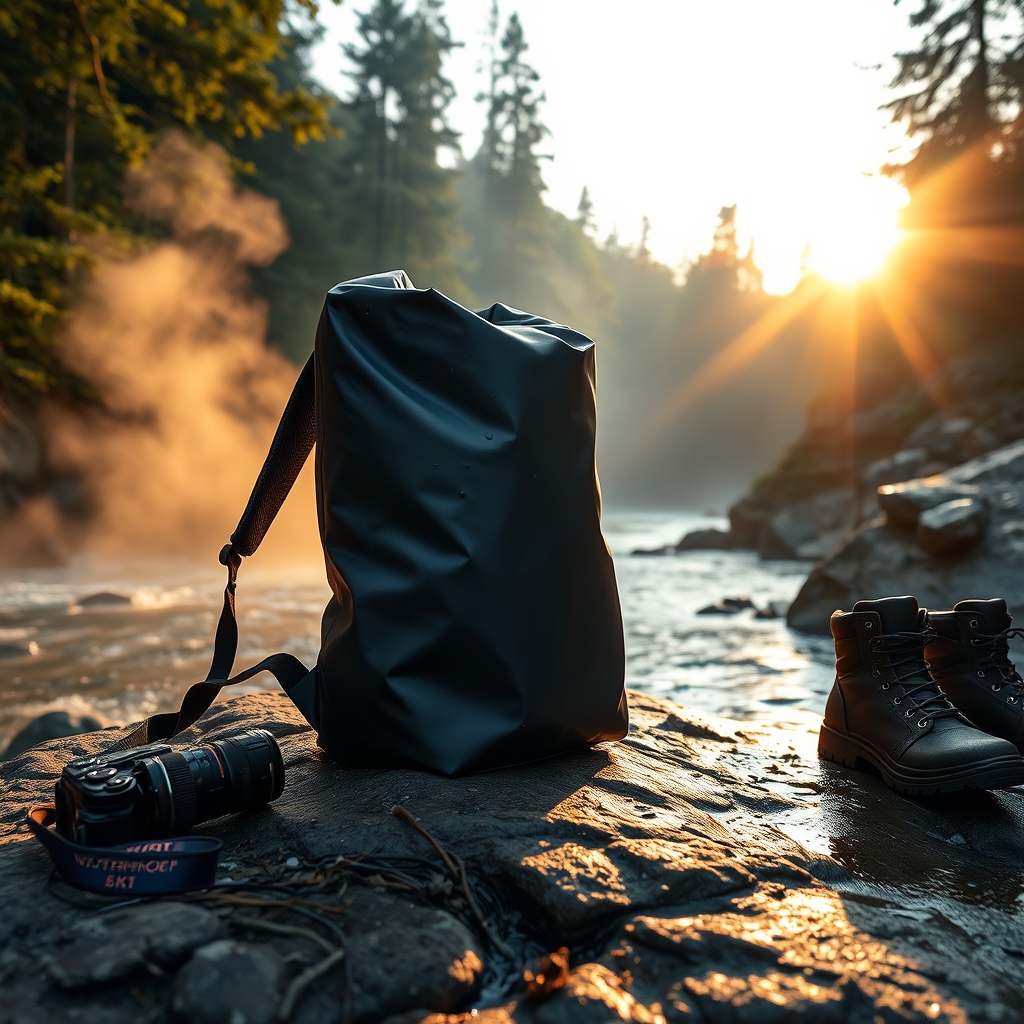
IPX Ratings: These numbers are your reality check. IPX6 resists powerful water jets, fine for most splashing. IPX7 survives up to 1m submersion for 30 minutes (seen in the YETI Panga 28L), while Exped Versa goes full IPX8 (tested to 2m). But—tests use new bags with perfect technique. In real trips, leaks nearly always start at zippers, seams, or a badly rolled top. User error matters.
Field Failure Data: U.S. dry bag backpack sales surged from $200M in 2024 to >$250M in 2026 (CAGR ~12%) as serious paddlers, anglers and campers paid up for higher claimed performance. Yet around 30% of consumer complaints mention seal/zipper leaks. Success in a lab doesn’t guarantee a dry sleeping bag after a big rapid or rainy camp. Always check specs, and be realistic about what real-world “waterproof” will save your trip—or ruin it.
Closure Types Explained: Roll-Top, Waterproof Zipper & Hybrid
Every dry bag kayaking adventure proves one law: your closure is your weakest link. Here’s what matters out there—not just on paper.
Roll-Top: Simple, often the most reliable in long-term use. Offers natural compression but requires correct practice—at least three full, tight rolls. Best for: Rafters, open-canoe trippers, rental fleets. Downside: slower to access and prone to accidental bad seals if you rush.
Waterproof Zipper: Fast access (no unrolling), but sticky in dirt, sand, or saltwater. Failure rates spike over time (~30% in user complaints like “The HydroLok zipper stuck after the first river run and leaked when submerged for a minute.”). Best for: Day trips, fishing, organized packers. Downside: Expensive parts, high repair cost.
Hybrid (zip + roll): Tries to split the difference (fast access but second roll closure for extra safety). Most relevant for gear haulers.
Decision: Paddlers facing dunking and rough use? Prefer roll-top. Hikers, anglers who need to get in and out? Zipper if you accept higher risk. See comparison at Wirecutter for examples.
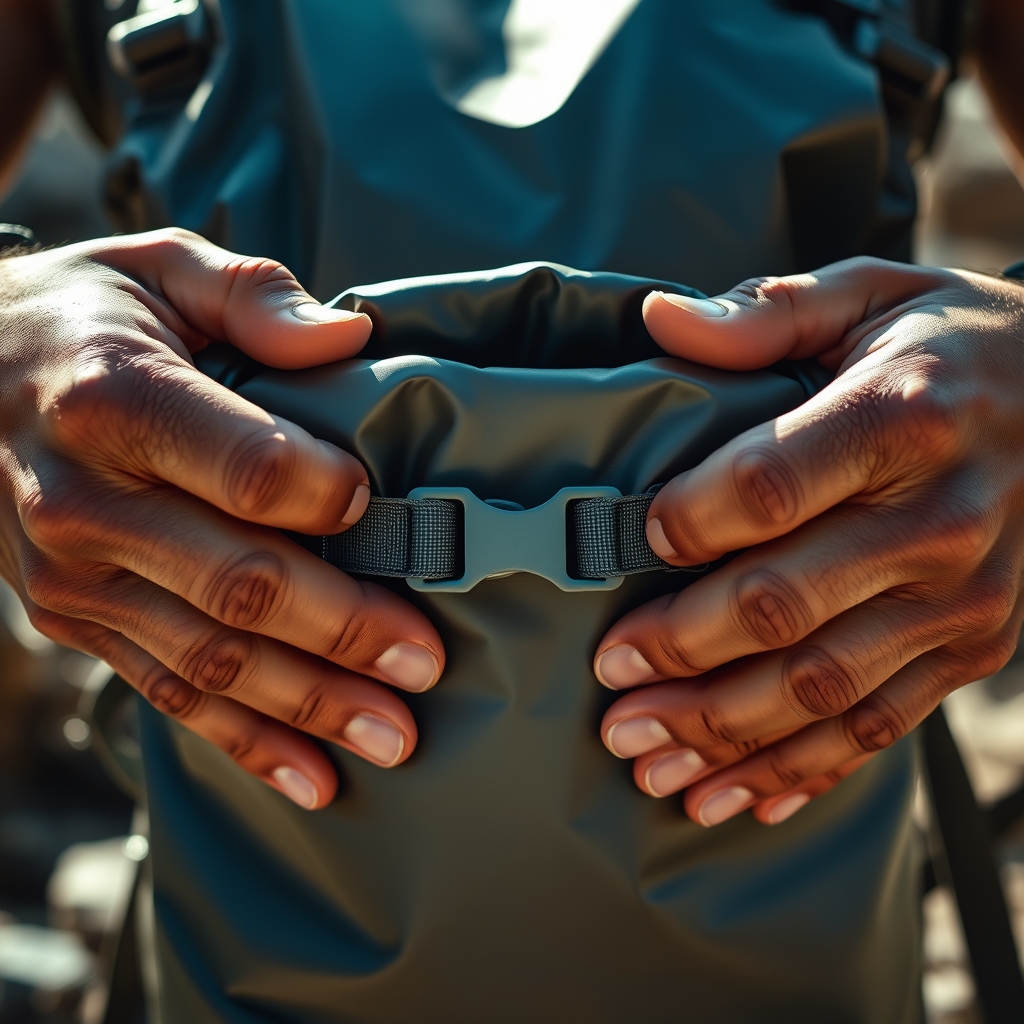
Field Test Tip: Whichever you pick, close and re-seal your bag several times fully loaded at home to spot early production faults or user mistakes—never assume “new” means “ready.”
Materials and Seams — For Multi-Day & Heavy Loads
Fabric and seam choice make or break any waterproof dry bag backpack on real expeditions. Cheap fabrics delaminate or abrade. Poor seams rip under abrasion or weight. Here’s what to demand:
- PVC-coated nylon: Common, decent protection, but heavier and slower to dry. Seen in models like Sea to Summit Flow 35L (Advnture review).
- TPU (thermoplastic polyurethane): Lighter, more flexible, better cold weather flexibility. Found in Exped Drybag Versa series.
- Laminated ripstop nylon: Highest abrasion resistance and reliability (e.g. SealLine Pro Dry Pack 120L), especially when paired with RF-welded seams instead of tape or stitching. User quote: “Big load, rough haul—taped seams always go first.”
Seam types:
- RF-welded: Best for heavy/longevity.
- Taped: Light, but lower lifespan.
- Stitched+Taped: Budget, not for submersion or rentals.
Reality: Around 25% of complaints are seam failures and delamination under load. Rentals and multi-day guides always pay for welded seams and reinforced fabrics.
Weight vs. Capacity: Real World Portage Balancing
Weight and capacity are real-world tradeoffs—not marketing stats. Day-kayakers can get away with a 5L–28L Waterproof dry bag backpack or pack (Exped Versa is 5–65g). Multi-day rafting or group trips typically want 60–120L (NRS Bill’s Bag is 3lb 12oz for 65L; SealLine Pro 120L is ~2.5kg). But comfort drops fast as weight rises.
Common weight complaints (10%) revolve around bags being too heavy or “dead weight” when carried far. Use compression valves or air expulsion tricks to minimize perceived bulk. For example, Sea to Summit eVac valves lets you push out air—great for getting a tight fit in kayak hatches or under-seat stashing.
Comfort, Carry Systems & Strap Failures
Dry bags are often built “too simple.” But carry system design is a major decider in all-day usability and injury prevention. Poor straps dig into shoulders, thin foam packs out, and cheap attachment points rip. This is not just an ultralight vs. heavy-duty debate.
Key checklist for comfort and durability:
- Padded shoulder straps & hip belt (NRS Bill’s Bag 65L gets high marks)
- Sternum straps and load control for heavy bags
- Reinforced anchor points (webbing stitched to main bag, not tabs only)
20% of real-user complaints mention “straps dig” fatigue or outright breakage after season use. Try load-testing with your planned trip weight at home—walk 20–30 minutes to spot pinch points.
Field Quote: “After one day portaging, my shoulders were bruised. Not worth the dry gear.”
Mounting and Attachment Features for Kayakers and Rafters
Gear integration makes a big difference in handling real river or ocean trips. Lash points, daisy chains, D-rings, bail handles—these determine what you can mount or secure.
- Lash points: For deck tie-downs, behind-seat mounting, easy towing (Sea to Summit Big River is lauded for this).
- D-rings and bail handles: Secure to raft frames, attach bilge pumps, helmets, shoes, or PFDs.
Insufficient attachment points are a top complaint (12%).
Avoid On Rentals: Bags with only stitched “tab” anchors rarely survive group rental abuse.
Compression and Air Management — Avoiding the Bag Puff
One of the unsung problems of dry bag kayaking: if you trap too much air, your bag “balloons” and won’t pack small, fit hatches, or sit comfortably on a pack frame.
The solution is either a good roll-top technique or an air-release valve (such as Sea to Summit eVac series). These let you compact down clothes or sleeping bags without “popcorn bloat.” About 15% of reviews cite this annoyance:
User says: “I love the capacity but the roll-top never seals fully, so the bag swells with air and makes my pack feel ridiculous.”
Packing tip: Expel as much air as possible before final closure—roll tight, kneel on bag, listen for leaks.
Durability Checklist for Rentals and Heavy Use
If you’re outfitting for commercial use, dozens of school paddles, or rental fleets, insist on:
- Reinforced floors and abrasion panels
- Replaceable straps (detachable, replaceable buckles)
- RF-welded seams only
- Thick, laminated fabrics and strong tie-down anchors (NRS Bill’s Bag, SealLine Pro)
Set up a pre-trip inspection schedule (tug all straps, check seam lines for bubbles, fill with water and squish for leaks) to cut costly returns—again, 25% of failures are seam delaminations, and 30% are zipper/closure leaks.
Ultralight & Backpacking-Friendly Options
Realistically, ultralight waterproof dry bag backpacks (under 100g, like Exped Versa 31–65g for small sizes) sacrifice long-term abrasion resistance for minimal carry. Accept that you must:
- Protect them inside a larger pack or under a deck
- Pair with an outer shell if bushwhacking or repeated abrasion risk exists
- Use only for critical insulation items (down quilt, base layer), not for heavy tool/electronics hauling
About 10% of ultralight users report bag wear-through, so match to the terrain. For full gear portages with hiking, double protection is wise. See more ultralight tips here.
Sustainability, Recycled Fabrics & Longevity
Few guides truly analyze recycled materials in waterproof dry bag backpacks. The Red Original 30L uses recycled PET (about 975g), but most top SKUs offer little transparency, and real-world longevity varies widely. If this matters to you:
- Check for warranty policies and field repairability (Red Original, Sea to Summit have reasonable coverage)
- Expect some tradeoff in abrasion resistance and UV fade
- Store dry, drain and inspect after each big trip to maximize usable life
Few sources (including Wirecutter and GearJunkie) cover sustainability or warranty in detail—ask for this data if it’s a factor in your buying.
Top Picks & Quick Shopping Grid
Below, find field-tested picks for every major use case: kayaking, rafting, ultralight backpacking, car-camping, and commercial rental. Each listing includes closure, weight, seam type, and tested IPX/submersion spec.
| SKU | Use Case | Price | Weight | Capacity | Closure | Seams | IPX/Submersion |
|---|---|---|---|---|---|---|---|
| YETI Panga 28L | Day kayak/fishing | $325 | 1.8kg | 28L | HydroLok zipper | Welded | IPX7 / 1m 30min |
| Exped Drybag Versa | Ultralight, day hikes | $90–$130 | 43–65g | 5–13L | Roll-top | Taped/welded | IPX8 / 2m |
| SealLine Pro Dry Pack 120L | Multi-day raft, rental | $340 | ~2.5kg | 120L | Roll-top + comp strap | RF-welded | IPX7 |
| NRS Bill’s Bag 65L | Rafting, portage | $260 | 3lb 12oz | 65L | Roll-top | Reinforced | IPX7 |
| Sea to Summit Flow 35L | Kayak/camp all-around | $190 | 1kg | 35L | Roll-top | Sealed | IPX7 |
| Red Original 30L | Sustainable, day camp | $175 | 975g | 30L | Roll-top | — | IPX6 |
| Marchway Roll-Top | Budget, all-purpose | ~$30 | Varies | 5–40L | Roll-top | Stitched/taped | Not tested |
For wider lists and details, see Tree Line Review and Gear Junkie’s research.
When to Buy — Seasonal Trends and Pricing
The best time to shop for dry bag kayaking and waterproof camping bag gear is spring through early summer (April–July), when search volumes surge to 150–200k—peaking at 250–300k in May–June. Buy before this spike for the broadest in-stock selection and best deals. Late-summer (August–October) bumps are common as fall camping ramps up, with minor Q4 gift market activity.
Most shoppers pay $90–$340 for top SKUs. Watch for off-season sales, or shop late winter for discounts. Stock cycles can thin quickly as trip seasons hit—don’t gamble last minute.
Common Problems, Warranties & How to Test
Data shows the failure hotspots you must check:
- Zipper/seal failure (30%)
- Seam tearing/delamination (25%)
- Straps digging in/inadequate padding (20%)
- Bag puff/bulkiness (15%)
- Insufficient attachment points (12%)
- Weight-to-capacity too high (10%)
User quote: “The HydroLok zipper stuck shut after the first river run and leaked when I submerged it for a minute.”
Every waterproof dry bag backpack should be tested at home—every single trip:
- Fill your bag with air, squeeze, listen and look for leaks along seams and zippers
- Do a partial submersion in your bathtub or pond—30 seconds is enough to spot hidden failures
- Load your common trip weight and walk for 15–30 minutes—watch for strap stretch, dig, or point loads
- Try all zipper/roll closures, open and reseal three times. Feel for stiffness, sticking, or fabric delam.
Warranty and repair policies are inconsistent—insist on at least 1–2 years for heavy-use or pro purchases, and keep a field seam/tape fixes handy for field seam/tape fixes.

Want a more detailed guide? Download our Pre-Trip Dry Bag Test Checklist (PDF) for your next adventure.
In-Home Test Protocol: Fill your bag with water (no electronics!), gently squeeze for seam leaks, hang upside-down to check strap anchors. For zipper-seal: submerge just the zipper/closure and look for bubbles.
Quick-Buy Decision Flowchart
Buying a waterproof dry bag backpack doesn’t need to be overwhelming. Use this flow:
- Primary Use? Kayak/raft, hike/portage, or camp commute
- How much gear? 5–15L (day trip), 25–45L (overnight), 65–120L (multi-day/rafting)
- Is deck or raft-mounting needed? Prioritize strong attachment points
- What’s your max carry weight? Will you walk far?
- Closure Preference? Waterproof zipper for quick access, roll-top for dunk-proof reliability
- Budget? Expect $90–$340. More durability costs more.
For most—heavy water, tough use—go NRS Bill’s Bag or SealLine Pro. For ultralight/short treks, Exped Versa or similar. Rentals and group use: never compromise on seams or straps.
Need related gear for your trip? Check our guides for a solar camping generator, portable camping shower, rechargeable camping lantern, ultralight camping chair, or portable wash bag.
FAQ
Are roll-tops waterproof enough for paddling or rafting?
When rolled three or more times and closed tightly, roll-tops consistently outperform zipper models for dunking, submersion, and long-term abuse. They’re also easier to field-repair. IPX ratings apply to full closure (see Exped Versa IPX8).
Can I fully submerge a dry bag with electronics inside?
Only bags with an IPX7+ rating (YETI Panga 28L, Exped Versa) are rated for accidental submersion. double-bag electronics if you expect full immersion and always check closure integrity beforehand.
How do I best pack down or avoid air in my dry bag?
Expel excess air before final closure by compressing the bag, then seal quickly. Bags with eVac valves (Sea to Summit eVac) make this easier, especially for tight kayak hatches or frame packs.
Are ultralight dry bags safe for long rough trips?
No—ultralight models trade abrasion resistance and seam durability for weight savings. Use them for inner organization, or critical insulation, but avoid for outermost protection in harsh, abrasive environments.
What’s the most common failure and how do I avoid it?
Zipper and seal failures (30%) are the most common; always test at home before your trip and avoid overstuffing or forcing closures in dusty or sandy conditions.
Conclusion
If you want to keep your gear safe, a waterproof dry bag backpack is crucial—but not all are built or tested alike. Prioritize correct IPX ratings, roll-top or proven zippers, welded seams, and reinforced straps. Real-world testing beats brochure claims every time. Don’t risk your sleeping bag or electronics—test before every trip, buy for your hardest use, and invest in comfort and durability because it pays off far beyond price tags.
Ready for better gear? Click above to shop by use or download our Pre-Trip Dry Bag Test Checklist and keep your next adventure dry and worry-free.