
30W portable charger is the sweet spot for outdoor users who want reliable fast charging power with minimal bulk and maximum versatility. If you’re planning a weekend hike, car camping getaway, or multi-day van trip and need a compact charger that works in the field (not just in specs sheets), this guide gives you the field-tested, actionable advice serious campers need—without the clutter of generic buying blogs.
Key Takeaways
- 30W portable chargers hit the balance between fast charging and low weight—perfect for topping up phones, lights, and essential USB-C devices outdoors.
- The best picks are built for rough handling, have honest mAh/Wh ratings, deliver true 30W power, and provide clear data on recharge times, weight, and protection ratings.
- Always verify real-world performance with actual load tests, not just marketing specs, and be aware that solar or wireless features may sound better than they work off-grid.
- Why 30W Portable Chargers Are a Field Game-Changer
- Step-by-Step Guide: Selecting & Testing Your 30W Charger
- Advanced Analysis & Common Pitfalls
- Conclusion: Make the Right 30W Choice
- FAQ: 30W Outdoor Fast Charging—Answers That Matter
Why 30W Portable Chargers Are a Field Game-Changer
The outdoor market from 2024 to 2026 has seen a shift: “fast-charging” and “solar-enabled” devices are now top sellers, especially among US, EU, and expanding Indian and Chinese campers. For hiking and car camping, a 30W portable charger isn’t overkill—it avoids the bulk of 65-100W banks but brings real fast charging to phones, headlamps, GPS, and USB-C gadgets on trail or at camp.
Tested models like the Nestout 15,000mAh Outdoor Battery (32W output at 12.8oz) show 30W PD is fast enough for nearly all small devices, provides 2–3 full phone charges, and won’t overheat like higher-wattage power bricks. Stepping up to 60-100W only makes sense if you’re charging laptops or running heavy gear—those units weigh more and rarely fit light hiking kits.
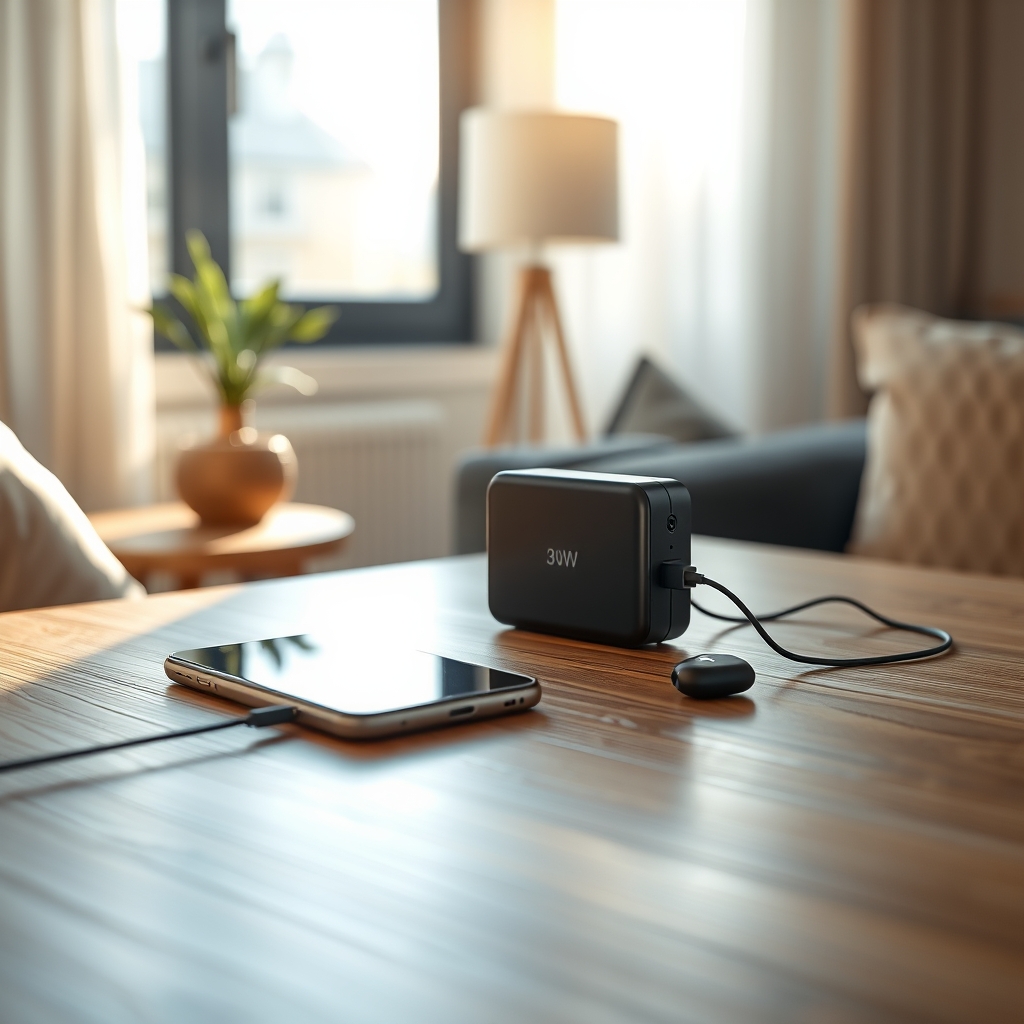
In the field, a 30W power delivery charger for camping means you can recharge your phone from dead to 100% in 1.5–2 hours—essential when you only have limited camp stops or short van stops. The biggest gains: lower wait times, lighter pack, and less stress about running empty when GPS or lights matter most.
Step-by-Step Guide: Selecting & Testing Your 30W Charger
If you want a fast charging power bank for camping or hiking that actually works on trail, here’s a practical decision matrix—plus how to verify real specs (not just ads):
| Scenario | Min Capacity | Recommended PD | Weight Target |
|---|---|---|---|
| Day Hike | 10,000–12,000mAh | 30W | <8oz |
| Car Camp/Overnight | 15,000–20,000mAh | 30–45W | 9–13oz |
| Multi-Day Off-Grid | 30,000–36,000mAh | 30–60W (solar optional) | 12–16oz |
Buying checklist:
- Demand listed and measured weight (oz/g).
- Check “real” USB-C PD output (should sustain 28–32W, not just 30W peak).
- Ask for measured recharge time (wall and solar input if available).
- Look for IP protection ratings (IP67/68 for wet trips).
- Be wary of “solar” banks unless independent tests show 8-12W measured input in sun.
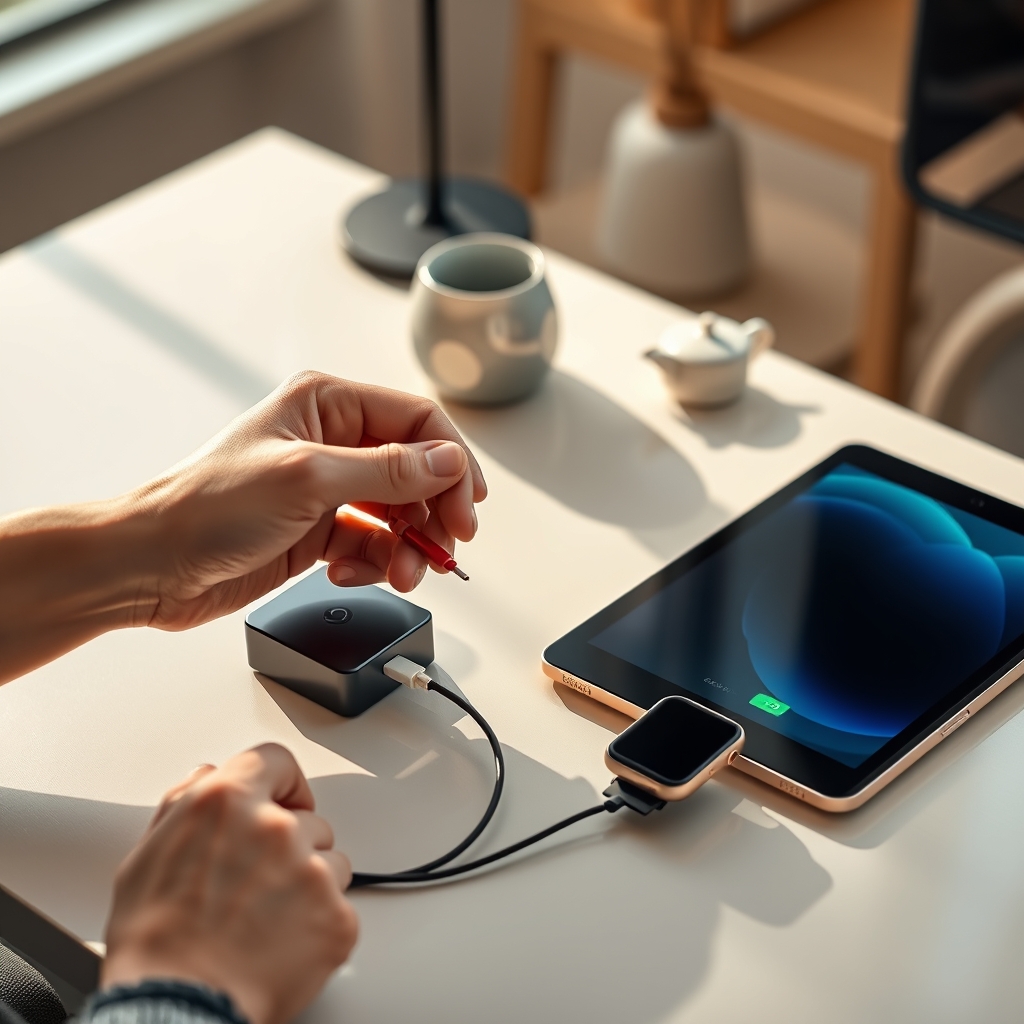
When testing or researching, use a USB-C load tester to check if the charger actually holds 30W for at least 30 minutes. (Tip: Spot check charging speed by measuring percent gain per minute on your phone or headlamp.) If the charger gets hot to the touch during a 20W or 30W load, it may not be well built for high-output field use—avoid if it exceeds 45°C (113°F) on a thermal camera.
Want model-specific numbers? The Nestout 15,000mAh Outdoor Battery is independently tested to deliver almost 3 iPhone 11 charges and a steady 32W PD; expect around 2 hours for full phone charging and 3 hours for a 40% solar recharge (with its folding panel). Heavier banks (30K–36K) work if you truly need more, but most campers find 10K–15K and 30W the right weight-speed tradeoff.
For wireless charging, banks like the Ugreen Uno Magnetic 10K and Anker MagGo are praised for excellent MagSafe compatibility and 15W Qi2 speed, though total output rarely exceeds 20W when wireless is paired with wired loads.
Advanced Analysis & Common Pitfalls
The biggest issues seen in real-world camping with portable chargers aren’t in the specs—they’re in what’s missing or misleading:
- Overheating: Users report multiple models run hot (>45°C) when fast-charging for 30+ minutes, especially in direct sun or enclosed pockets. Fix: Don’t run at max wattage constantly; if concerned, test with a thermal camera or track with an IR thermometer (ask for these test shots when buying online).
- Slower than advertised recharge times: Solar or wall recharge often takes 25–50% longer than claimed, especially in cold or cloudy conditions. Fix: Use a high-quality GaN wall charger and flat, direct sun for solar.
- Cable wear & cracked housings: Rough pockets and frequent movement break cheap cables and plastic cases. Fix: Stick to short, reinforced cables and banks with reinforced (preferably rubberized or metal) ends, higher IP67/IP68 ratings for wet use.
- Bulk & weight: Banks above 15oz rarely fit minimalist hiking kits. True “day pack” models stay under 10oz even with cables.
- Specs confusion: Key specs are often omitted—especially mAh to Wh, input/output measured times, per-port wattages, and real-life temperature data. Fix: Only buy if you get these numbers or independent test reviews.
| Model & Use | Capacity (mAh/Wh) | Real PD Out (W) | Weight (oz/g) | IP Rating | Solar Input | Recharge Time (wall/solar) | Field Pros | Cons |
|---|---|---|---|---|---|---|---|---|
| Nestout 15,000 (Backpack/Camp) | 15,000/55.5Wh | 32W | 12.8 oz / 363g | IP67 | 10W panel (40%/3h) | 2.5h / ~8h | Light, durable, real 30W PD, solar top-up | Solar slow for full charges, premium price |
| GOODaaa 36,000 (Van/Multi-day) | 36,000/133Wh | 18/15W (wired/wireless) | 15.2 oz / 431g | IP66 | 5.8W panel | 7h / 12h | Big capacity, 6 outputs, built-in cables | Bulky, slow solar, only semi-fast PD |
| Anker MagGo 10K (Wireless/Day hike) | 10,000/37Wh | 20W wired / 15W Qi2 wireless | 8.2 oz / 233g | N/A | None | 2h / N/A | Light, MagSafe, reliable fast charge | No weatherproofing, not rugged |
| Ugreen Uno Mag 10K (MagSafe, Hiking) | 10,000/37Wh | 20W wired / 15W wireless | 9 oz / 255g | N/A | None | 2h / N/A | Slim, affordable, great MagSafe | No solar, not IP rated |
For even more gear efficiency, consider a headlamp rechargeable via USB-C, or a camping lantern with power bank—minimizing total batteries and maximizing each recharge.

Recent external reviews and lab data support these real-use trends. The GOODaaa 36,000mAh gets kudos for multi-device versatility but knocks for bulk, while the MagGo and Ugreen trade capacity for minimalist carry and true fast wireless speeds.
Read more about integrating your charger with solar generator for camping or running a portable wireless charger with your other ultralight gear on your next trip.
Conclusion: Make the Right 30W Choice
The outdoor power market rewards buyers who go beyond specs sheets. For most field-tested users, a 30W portable charger delivers enough juice for phones, lights, GPS, and earbuds in packs that are easy to carry. Let fast-charging, true weight, and ruggedness—not the highest printed mAh—be your guide.
Before your next trip, pick a best-fit fast charging power bank for camping: If you hike ultralight, go MagGo or Ugreen for wireless minimalism. Car campers and multi-day hikers, choose Nestout for balanced speed, durability, and top solar top-up. Run your own quick test, check thermal and recharge times, and demand real-world data before you buy.
Need more off-grid power or van-life tips? See our guides to a portable camping fridge and ultralight camping chair—or check out more smart gear picks for next season.
Choose your 30W portable charger wisely and make sure it matches your true on-trail needs. Fast, safe, and portable always beats bloated capacity you’ll never use.
FAQ: 30W Outdoor Fast Charging—Answers That Matter
How do I convert mAh to Wh on a power bank?
Multiply mAh by 3.7 (average Li-ion cell voltage), then divide by 1,000: (mAh × 3.7) / 1000 = Wh. Example: 15,000mAh × 3.7 / 1000 ≈ 55.5Wh. Always compare Wh if you care about usable real energy.
Is wireless charging worth it when camping?
Wireless is convenient but less efficient (about 65-70% of wired) and slower—use it for MagSafe or emergencies, not for main charging on multi-day trips when every Wh counts.
How do I avoid overheating my charger outdoors?
Don’t run max wattage for long periods; pick a charger with good thermal controls and IP rating; always charge in shade or ventilated spots. Test with your hand—if it feels hot or reads over 45°C (113°F), give it a break.
Can I fully recharge with only solar on a weekend camping trip?
Only if your panel is 10-12W and you get 8–10 hours of good sun. Most solar banks provide “top-up” power, not full recharges unless conditions are excellent.
What field checks should I do before heading out?
Run a partial and a full recharge at home, check actual phone charge times, weigh your charger, and verify that your cables and bank ports work for every device you plan to charge.