
Rechargeable bug zapper lantern shoppers get the best results when they treat this gadget as a close-range camp light plus a backup insect-control layer, not a magic mosquito shield.
That distinction matters because buggy evenings can turn an otherwise comfortable trip into a slap-fest around the stove, the picnic table, or the van door. A good dual-purpose lantern can make those moments easier. A bad one can be too dim to cook by, too weak to matter, or too annoying to keep around. This guide focuses on what actually helps at camp: runtime, usable light, safe placement, realistic bug control, and whether the lantern still earns space in your gear bin after a few weekends of use.
Key Takeaways
- A rechargeable bug zapper lantern is most useful as a comfort accessory for small camp zones, not as your only mosquito defense.
- Separate white-light and zapper modes matter because the brightest lanterns often have the shortest runtimes.
- USB-C charging, easy hanging points, and simple cleanup are usually more valuable than inflated coverage-area claims.
- For warm-weather trips, combine the lantern with EPA-registered repellent, permethrin-treated gear, and smarter campsite timing.
Table of Contents
Where a Rechargeable Bug Zapper Lantern Helps Most
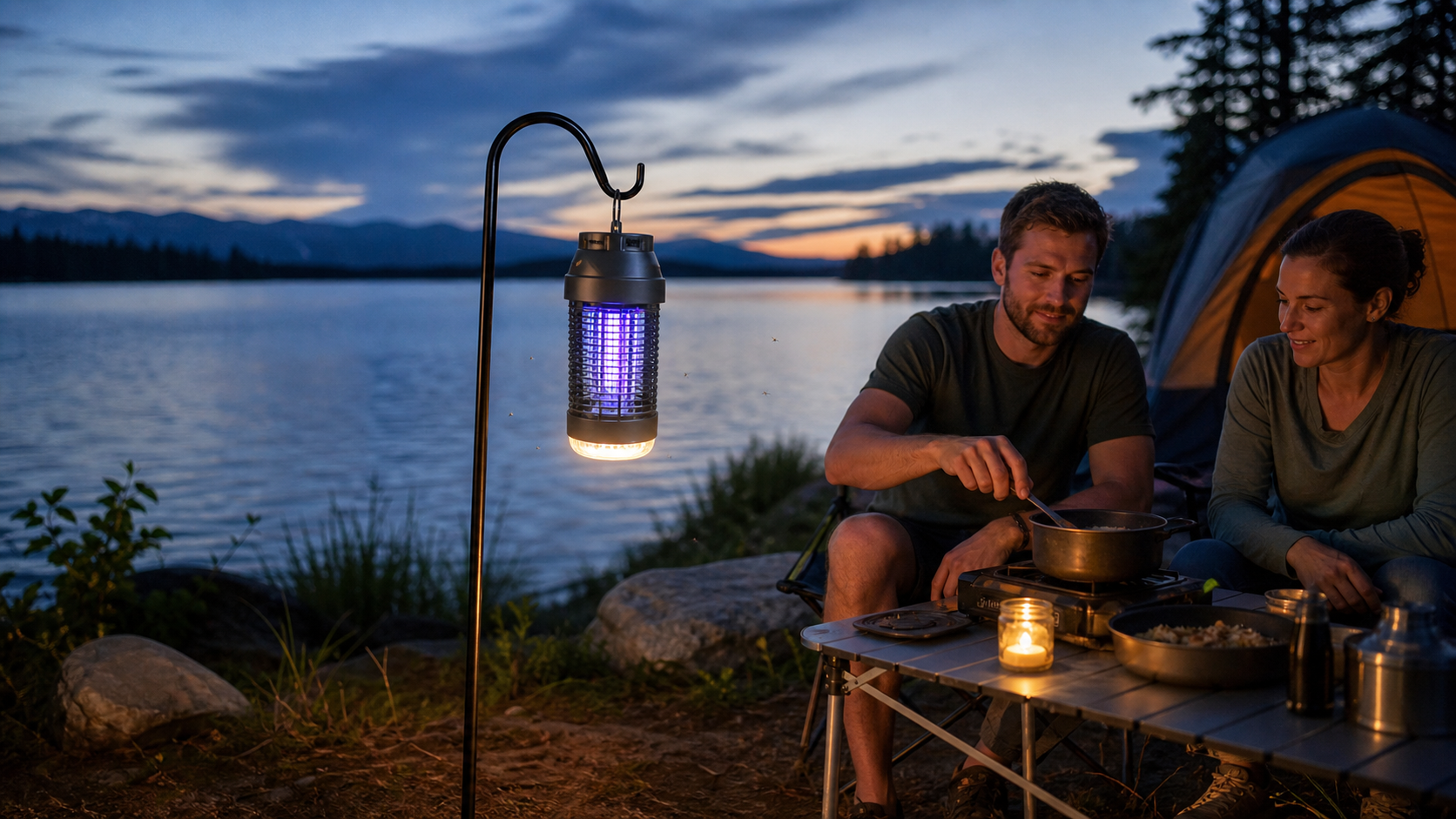
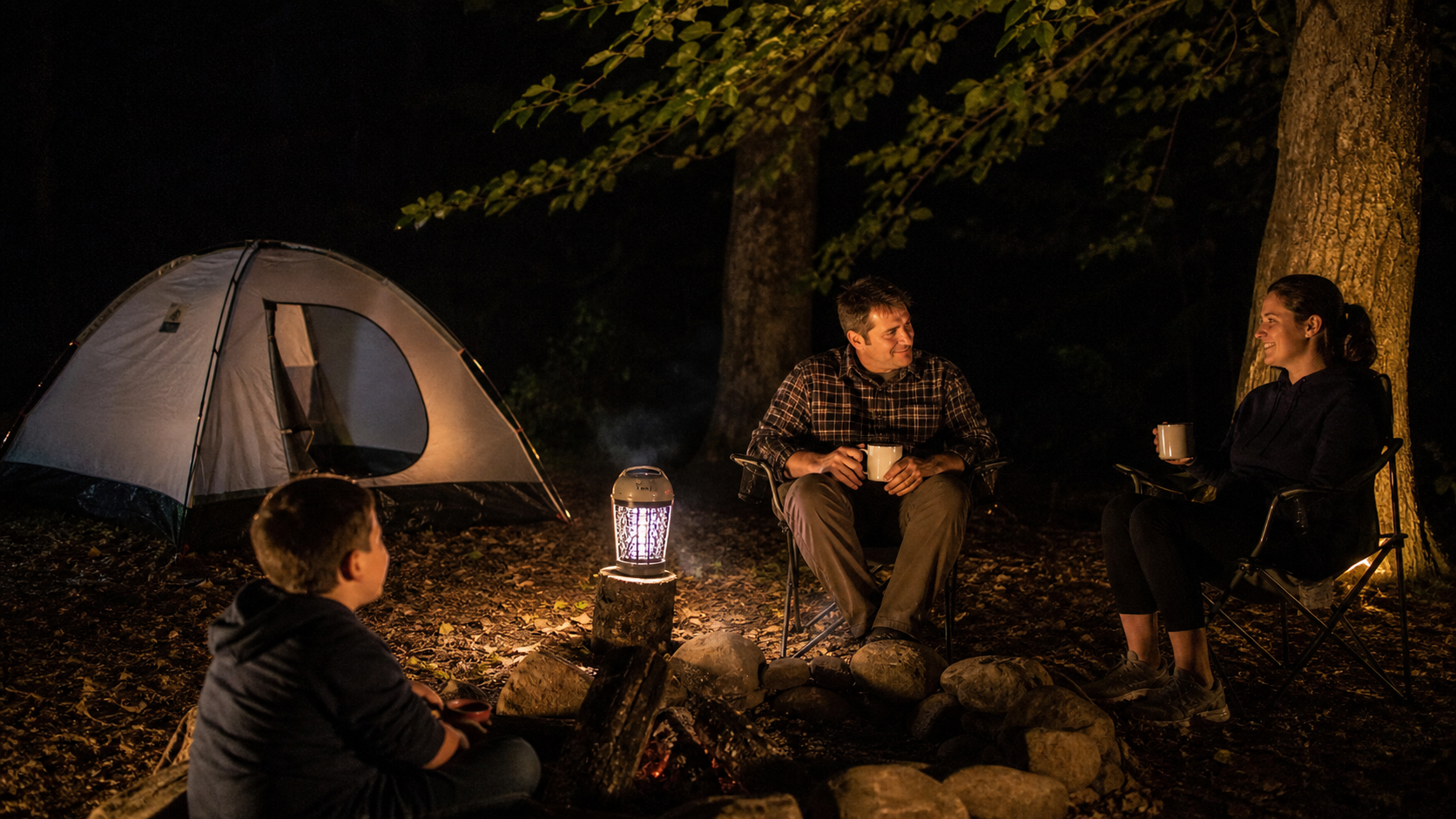
The best use case is not the middle of a windy open campsite. It is the smaller zone where campers actually sit still: the cook table, a screened canopy, the van side door, the kid snack table, or a chair circle after dusk. In those spaces, a rechargeable bug zapper lantern can pull double duty. It gives you warm task light for camp chores and adds a little passive insect reduction without another single-purpose gadget.
It is still important to keep expectations realistic. The CDC says bite prevention should start with EPA-registered repellent, protective clothing, and permethrin-treated gear. The EPA also recommends choosing repellent based on exposure time and the insects you expect, which is much more dependable than trusting a gadget alone. Purdue Extension goes even further, noting that bug zappers have not proven effective at preventing mosquito bites outdoors. That does not make these lanterns useless. It means the smart buyer wants one that improves comfort in a limited area, not one that promises a bite-free forest.
If your campsite usually gets buggy around water, marsh edges, or after storms, the setup around your lantern matters too. The National Park Service recommends reducing stagnant water nearby and being extra careful around peak mosquito times like dawn and dusk. In real camp life, that translates into choosing the driest cooking spot you can, zipping tent doors quickly, and using the lantern where people linger instead of hanging it far away just because the hook is convenient.
Rechargeable Bug Zapper Lantern Buying Checklist
These six checks separate the lanterns that actually earn repeat use from the ones that become garage-bin clutter.
1. Make sure the white light is useful on its own
If the lantern is supposed to replace or supplement your camp light, the warm or neutral white mode has to be genuinely usable. REI’s lantern guidance highlights the basics that still matter here: light output, runtime, ruggedness, and portability for the kind of camping you actually do. That is why REI recommends comparing lumens, runtime, and intended use instead of shopping by marketing language alone. For a picnic table or cook station, you want enough brightness to prep food, sort gear, and keep hands free. If the lantern only feels good as a bug trap and not as a real camp light, it is already losing half the value proposition.
That is also why some campers are better off starting with a dedicated light first. If you mainly need clean, broad illumination, a stronger lantern from our rechargeable camping lantern guide may outperform any combo model.
If you want to compare the broader market quickly, start with a search for rechargeable bug zapper lantern options on Amazon and ignore any listing that hides the actual light modes or runtime chart.
2. Check runtime in the exact mode you will use most
Manufacturers love quoting the best-case number at the lowest brightness. Campers need the opposite question answered: how long does it last on medium white light, or on white light plus zapper mode during dinner and cleanup? If a lantern cannot cover two to four evening hours without anxiety, it becomes another thing to babysit.
USB-C charging is the cleanest modern setup because it lets you top off from a vehicle, a wall plug at home, or a battery bank you are already carrying. If you camp with smaller electronics instead of a full power station, this is where internal links matter: pairing a lantern with a portable wireless charger strategy is usually not enough, but a compact wired bank from our 30W portable charger guide often is.
When you are shopping, look for listings that clearly show USB-C input, battery capacity, and separate runtime claims for each mode. If you need a backup light for stormy weekends or long family evenings, a search for a USB-C rechargeable camping lantern gives you a good baseline to compare against combo models.
3. Treat coverage claims like marketing until proven otherwise
This is where buyers get burned. Many combo lanterns sound impressive because they promise wide-area mosquito control, but field conditions are messy. Wind, competing light sources, body heat, and where people sit all affect what happens. If the lantern is being used near a table, inside a screen room, or at a van doorway, it can help. If you expect it to clear a whole lakeside campsite in gusty weather, you will probably be disappointed.
A better way to judge value is to ask whether the lantern reduces nuisance insects enough to make meals, cards, or late-night packing less irritating. For actual bite prevention, layer in proven tools. Our bug repellent camping device guide is useful if you are deciding whether a repeller-style gadget fits your setup better than a zapper lantern.
4. Buy for placement flexibility, not just tabletop use
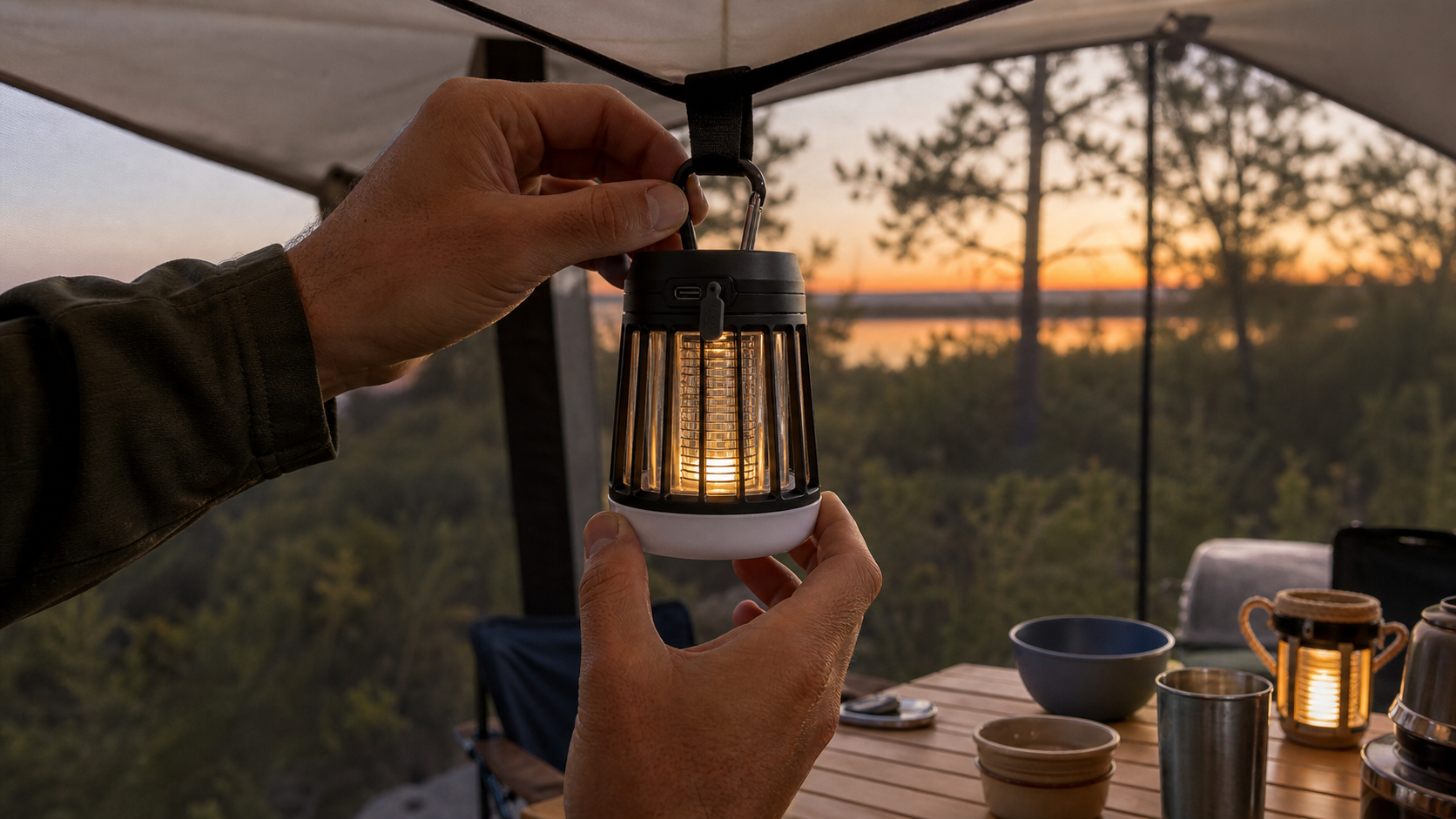
The best lanterns can hang from a ridgeline, shepherd hook, tarp loop, van grab handle, or canopy frame without fiddly adapters. A stable base still matters, but hanging options matter more because the lantern works better when it is close to activity height instead of sitting low on the ground. You also want enough clearance that kids, dogs, and loose jackets are not brushing it all evening.
Look for a strong folding hook or carabiner, a stable base, and a body shape that does not tip every time the table moves. If you camp with layered evening lighting, this is also where a combo lantern pairs nicely with other softer lights from our camping string lights battery guide and more focused beams from our headlamp rechargeable guide.
5. Look closely at weather resistance and cleanup
Camping gear that only works on perfect evenings is not camping gear for long. At minimum, the lantern should handle damp air, light splashes, dusty tables, and being tossed into a gear tote after dark. The easiest models to live with have a simple catch tray or removable bottom so dead insects do not end up rattling around inside forever.
Also check how the charging port is protected. A loose rubber flap is better than nothing, but a flimsy seal is one of the first parts to fail in real use. If you camp near beaches, rivers, or muddy sites, low-maintenance construction matters more than a huge body size.
6. Prioritize safe, low-annoyance operation
Some zappers crack loudly, throw too much harsh blue light, or smell burnt enough to annoy everyone at the table. Others are much calmer to live with. If you camp with kids, you also want a protective grid that discourages accidental finger contact and a shape that is not easy to knock over.
This is the point where accessory choices can help more than buying a stronger zapper. A bottle of picaridin insect repellent for camping, permethrin clothing spray for camping, or even a mosquito head net for camping can solve more problems than chasing bigger zapper wattage.
Quick Comparison by Camp Style
| Camp Style | What To Prioritize | Best Use Case | Watch-Out |
|---|---|---|---|
| Backpacking | Low weight, collapsible hook, short top-off charge time | Shelter vestibule or short dinner stops | Many combo units are too bulky for ounce-conscious trips |
| Car Camping | Usable white light, longer runtime, stable base | Picnic table, stove area, family hangout zone | Open windy sites reduce zapper effectiveness |
| Screen Room or Canopy | Hanging points, quiet zapper, easy cleanup tray | Contained dinner or card-table lighting | Too much UV glare can feel harsh in a small enclosure |
| Van Life | USB-C charging, compact storage, doorway hang loop | Sliding door area, outdoor kitchen shelf | Not a substitute for screens or airflow planning |
| Family Campsites | Kid-safe grid, simple controls, all-evening battery life | Snack table, craft table, tent entry | Cheap lanterns get knocked over or forgotten half-charged |
Common Setup Mistakes That Ruin Results
The most common mistake is asking the lantern to do a job it cannot do. If mosquitoes are intense and you are sitting near water at dusk, you still need repellent on skin, treated clothing, and better site habits. The second mistake is bad placement. A combo lantern works best close to activity, slightly off to the side, and high enough to spread useful light without blasting your eyes.
- Hanging it too far from where people sit, then deciding it “does nothing.â€
- Using only zapper mode and forgetting you still need comfortable white light for cooking and cleanup.
- Leaving it low on the table where elbows, dogs, or kids can knock it over.
- Ignoring dawn-and-dusk mosquito peaks, especially near damp brush, lakes, and marshy campgrounds.
- Never cleaning the tray, so odor, residue, and performance get worse trip after trip.
A practical system is simpler than most shoppers think: lantern near the table, repellent on exposed skin, treated clothing when bugs are serious, and faster tent-entry routines when the swarm ramps up. That system prevents a lot more frustration than chasing a bigger electric grid alone.
When It Is Worth Buying One
A rechargeable bug zapper lantern is worth buying if you do a lot of warm-weather basecamping, spend long evenings outdoors, or want one gadget that improves both light and comfort in a defined area. It is especially handy for family car campers, anglers cooking after sunset, van campers using open side doors, and anyone who already brings a battery bank anyway.
It is probably not worth buying if you are mostly backpacking, if your bug pressure is usually light, or if your main lighting needs are already covered by a headlamp and a stronger general lantern. In those cases, a more focused lighting setup or a dedicated repellent solution may do more for less weight and less clutter.
The sweet spot is the camper who wants one evening gadget that gets used often. If that sounds like your style, buy the lantern that wins on usability first and zapper features second. Campers almost always regret the opposite order.
FAQ
Do rechargeable bug zapper lanterns work on mosquitoes?
They can reduce nuisance insects around a small camp zone, but they are not reliable enough to replace repellent, permethrin-treated clothing, or smart campsite timing. Think comfort boost, not total mosquito control.
How bright should a rechargeable bug zapper lantern be for camping?
For most camp tables and cook stations, medium usable white light matters more than max-output marketing. The right amount depends on whether it is your only lantern or a secondary light alongside a headlamp or string lights.
Are these lanterns safe to use around kids?
Safer models have a protective outer grid, stable base, and hanging options that keep the lantern out of reach. They are still electronics, so it is best to place them where hands, jackets, and dogs are not constantly brushing them.
Should I buy a zapper lantern or a dedicated mosquito repellent device?
If your biggest problem is bite prevention, a proven repellent system usually does more. If your bigger need is a light that also helps with nuisance insects during dinner and relaxing time, the combo lantern makes more sense.
Bottom Line
The best rechargeable bug zapper lantern is the one you will actually keep charging, hanging, and using at the moments camp gets buggy and dark at the same time. Buy for good white light, honest runtime, easy placement, and simple cleanup first. Let the zapper function be the comfort bonus that makes dinner, dishes, and late-night conversation more pleasant.