
Magnetic bluetooth speaker setups are changing the way campers, van-lifers, and overlanders enjoy music at camp. Durable, mountable, and easy to power on the go—these speakers stick where you want and deliver real outdoor convenience.
Key Takeaways
- Magnetic bluetooth speakers offer effortless mounting to vans, cars, or picnic tables—freeing up space and adapting to almost any campsite layout.
- Real-world battery life and charging depend on both the speaker’s ratings and power bank quality. Plan for overnight and multi-day use with at least a 10,000–20,000 mAh power bank.
- Failing to consider magnet strength, IP/weather ratings, or power compatibility can lead to accidental drops, water damage, or dead gear. Always field-test and bring backups.
- Why a magnetic bluetooth speaker makes sense for camping and van life
- How to evaluate magnet strength, housing, and attachment options
- Battery life expectations and how many hours you should actually expect
- Power and charging: pairing speakers with camping power banks and wireless chargers
- Real-world charging problems to watch for (heat, slow recharge, capacity fade)
- What specs guides usually miss — the checklist you need before you buy
- IP rating, drop testing, and weatherproofing for outdoor use
- Lightweight vs. high-capacity: balancing speaker portability with power needs
- Best mounting and use-case setups (car camping, rooftop tent, van interior, picnic table)
- Recommended models and compatible power-bank pairings (field-tested checklist)
- Quick field checklist — what to pack for a 2‑night camping trip
- Troubleshooting common field problems (won’t charge, overheats, detaches)
- FAQs campers actually ask
- Conclusion with buying checklist and next steps (purchase, test, and field‑verify)
Why a magnetic bluetooth speaker makes sense for camping and van life
Magnetic bluetooth speakers change the game for car campers and van‑life travelers needing fast, practical audio without more clutter. Magnetic mounts let you snap your speaker to almost any metal surface—think car hoods, van walls, or even sturdy picnic tables. You free up table space, avoid messy cords, and keep music close (but not in the way).
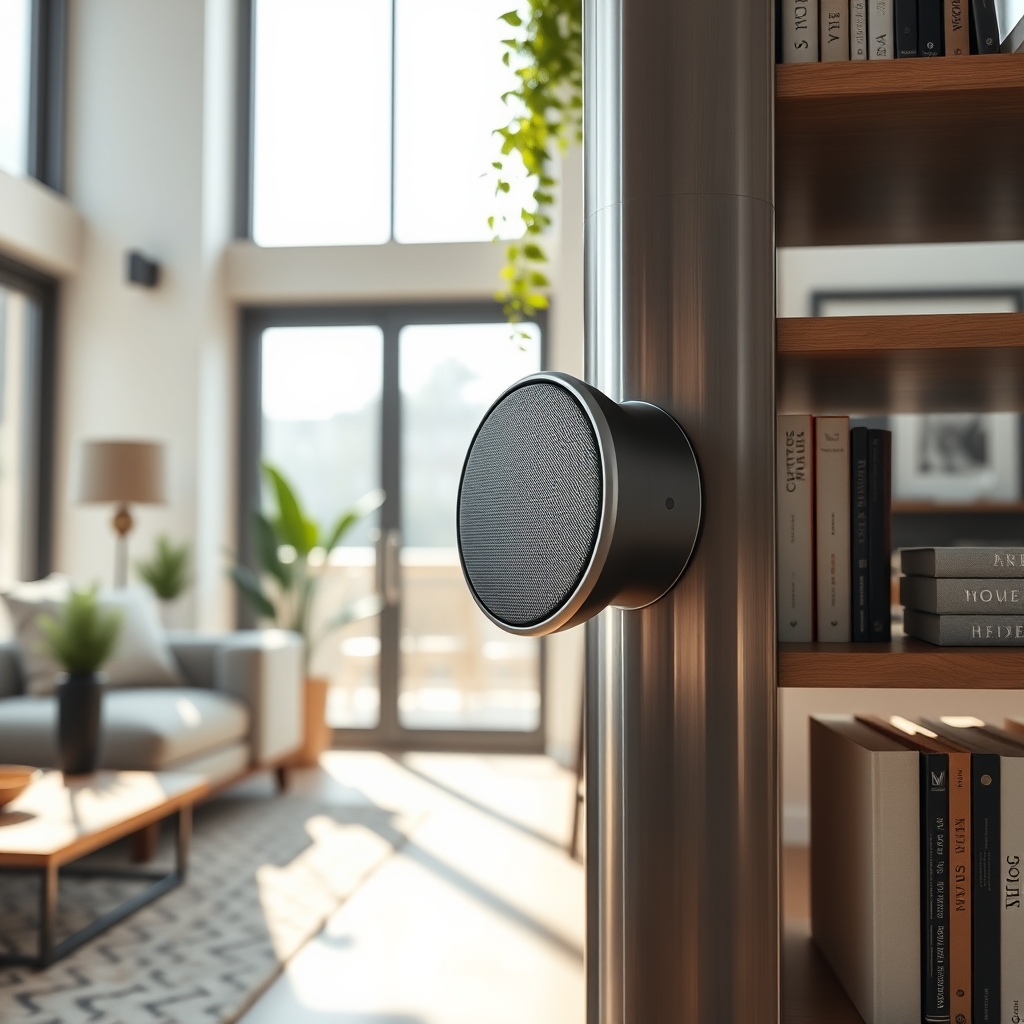
In practice, you might magnet your speaker to:
- The inside of a van door for quick music in a camper kitchen
- A trunk hatch during tailgate setups or camp cooking
- The rain gutter of a rooftop tent, so music reaches everyone
- Your car’s steel roof rack—above the splash zone but easy to grab
Good speakers feature soft rubber pads or silicone boots to stop scratches and stay planted, even on painted or delicate surfaces. Protective sleeves or covers can add more confidence if your speaker will go from car to camp table to van wall on the same trip.
It’s not just convenience—it reflects a bigger market shift. Recent trends show search interest for “outdoor rugged charging” and mountable gear up 30–40% year-over-year (see research). Durability and real-world practicality are becoming top priorities as more users hit the road or trail for multi-day adventures.
How to evaluate magnet strength, housing, and attachment options
Getting the right camping speaker with magnet makes all the difference in real use. Here’s how to confidently choose and test your attachable speaker for van life or vehicle setups:
- Magnet strength: Look for speakers listing a minimum 4–8 lbs pull force (2kg–4kg) for static car/van mounting. For moving vehicles, 10 lbs (4.5kg) or more is safer.
- Pad thickness and anti-scratch: Rubber or silicone covers (at least 2mm thick) shield against paint nicks and help absorb minor bumps.
- Magnet type: Neodymium magnets are best for strong hold in a small package. Avoid ferrite magnets for anything weighty or in motion.
- Real-life durability: Even with “drop test” ratings, buyers often report cracked cases from real falls. Rugged, shock-resistant housings are worth it.
- Straps or clips? For bumpy drives or vibrations (roof racks, off-road use), add a backup strap or safety tether. On stationary picnic tables or van interiors, plain magnet is usually enough.
Durability is especially key. “Users report durability failures even with advertised drop ratings; prioritize rugged housing and secure attachment because real-world durability problems are common.” (Wired Power Bank Gear Guide)
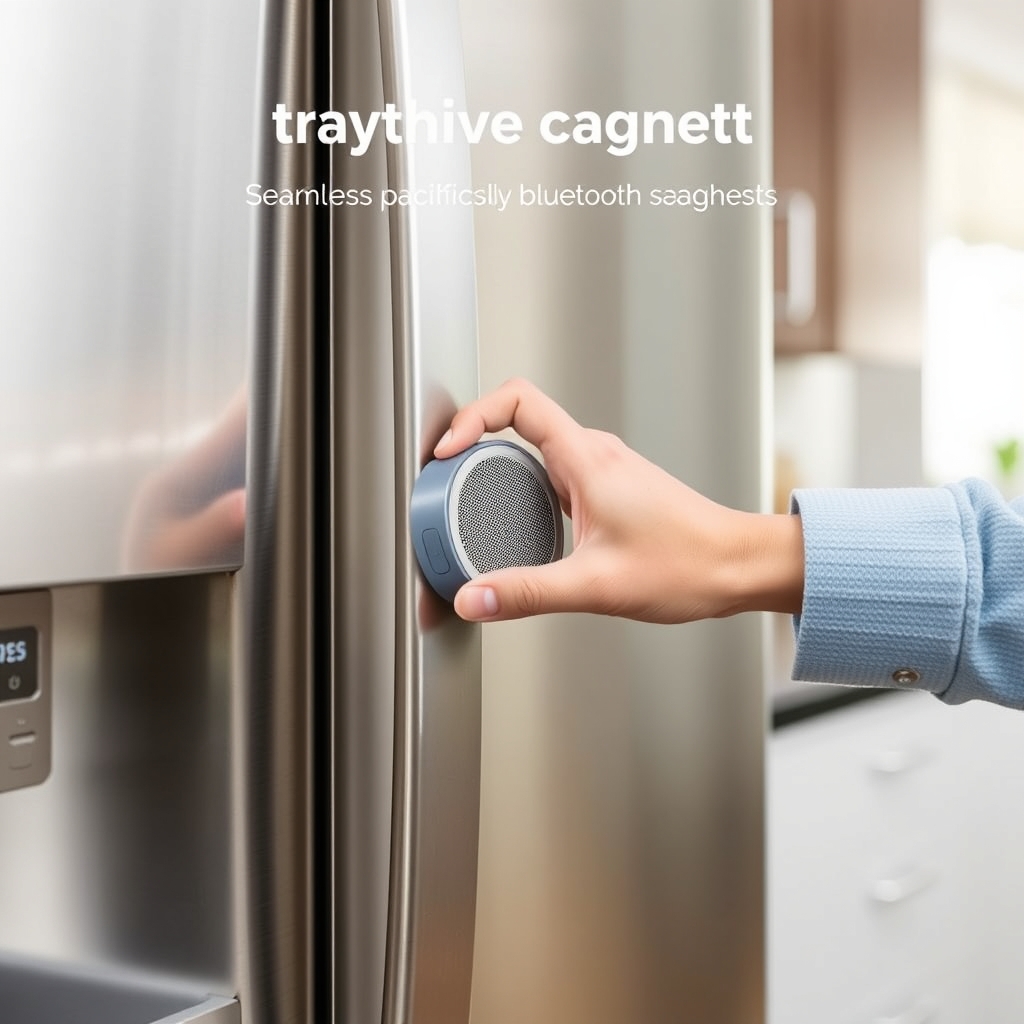
Bottom line: Always try your speaker at home on real metal surfaces—van, car, trailer, or even your BBQ grill. What feels solid in your hand can slip if there’s vibration, wind, or moisture.
Battery life expectations and how many hours you should actually expect
Every portable bluetooth speaker for camping lists an impressive playtime—usually under ideal conditions. But in the wild, things change. Here’s what really matters for outdoor and multi-day use:
- Battery size (mAh) vs playtime: A 2,000 mAh internal battery may net you 8–15 hours at moderate (50%) volume. Play at max, and you’ll often see only 5–8 hours.
- Bluetooth + DSP drain: Active noise or bass modes, constant Bluetooth links, and visible LEDs all shave time off.
- Rule of thumb: For overnight trips or back-to-back evenings, plan for a speaker with 2,000–3,000 mAh, backed by a 20,000 mAh power bank.
| Speaker Battery Size | Expected Hours (50% volume) | Runtimes per 20k mAh Power Bank |
|---|---|---|
| 1,500 mAh | 6–10 hr | Approx 8–10 full charges |
| 2,500 mAh | 10–16 hr | Approx 6–8 full charges |
| 3,500 mAh | 12–25 hr | Approx 5–6 full charges |
Power banks are your lifeline in camp. Today’s best are 10k–20k mAh, priced $20–$160 (Engadget Power Bank Review). Don’t cheap out—many rated “20k” models underdeliver in actual watt-hours.
Charge both your speaker and power bank fully before departure. And test once at home to benchmark how many hours you actually get at “realistic” camp volume levels.
Power and charging: pairing speakers with camping power banks and wireless chargers
Magnetic bluetooth speakers pull tiny amounts of power compared to bigger gear, but if your charging is slow or unreliable you’ll be stuck with a silent camp. Here’s what counts for reliable use:
- Wired charging: USB-C Power Delivery charger (PD) is fastest and most futureproof. Some models still use micro-USB (slower, less rugged).
- Wireless charging: Qi or Qi 2.0 lets you dock on a compatible power bank—no cables needed. It’s slower, but works if you hate carrying cords.
- Choosing your power bank: Double-check “usable” mAh. Even a premium 20,000 mAh bank may deliver only ~17K–18K after losses. More on this in the next section.
- Cableless convenience: Consider a wireless power bank so you can plop both bank and speaker into your tent—no hunting for plug-ins with cold hands.
Keep in mind: “From 2024–2026 wireless power bank adoption increased as higher-power USB‑PD and Qi‑2.0 rolled out, but buyers report slow recharge times and advertised capacities often measure 5–15% lower in real tests.” (CNN Best Chargers). Planning for less than “advertised” power is smart.
Real-world charging problems to watch for (heat, slow recharge, capacity fade)
Even trusted brands can fall short outdoors. Here’s where campers often struggle:
- Slow recharge times: Many popular 20k mAh power banks require 5–6 hours to hit 80%—even with a proper PD charger. Cheaper banks can take longer if you use old wall adapters.
- Heat problems: Fast-charging a speaker (or running multiple devices) can overheat packs or the speaker itself. Always keep the setup out of direct sunlight and don’t cover in blankets or jackets.
- Capacity fade: Most compact banks lose 10–20% capacity after 300–400 cycles. Expect actual run times to gradually drop over a year or two of heavy use.
- Mitigation: Use quality PD chargers and cords. Avoid leaving banks in freezing or ultra-hot temps. Recharge fully at home and bring a backup cable or even a second small power bank as insurance.
“Top tests flagged slow recharge times (many packs need 5–6 hours to reach 80% even with faster chargers) and premature capacity loss after ~300–400 cycles; heat during high-wattage output is frequently reported.” (GearJunkie Power Bank Guide)
Having backup solutions is key—plan for the worst case before leaving home.
What specs guides usually miss — the checklist you need before you buy
- mAh to Wh conversion: Power banks are rated in mAh, but actual energy (Wh) depends on voltage. Divide mAh by 1000, multiply by 3.7 to estimate Wh.
- Max continuous and surge wattage (W): Some speakers handle brief surges but can’t sustain high watt output. Match speaker input to power bank output.
- Input recharge speed (W): A higher input watt speed (15–30W) means faster recharging for the bank itself. If not listed, review or test it yourself.
- Real weight/dimensions: Weigh your gear – it adds up quickly. Don’t just trust listed “shipping weight.”
- IP rating: Look for IP67 or better for all-weather use (up to 30 min submersion), especially if you want to use it near water or in bad weather.
- Solar input efficiency: If you add a solar panel, check not just “compatible” but the real rated watt output and how quickly it will recharge camp batteries.
- Cold performance: Lithium cells lose power below freezing. Check “operating range” for both speaker and bank.
- Cycle/rating efficiency: How much juice does it keep after 100, 200, or 400 charges? Most guides never address this.
“Most top guides omit exact W-based recharge speed and cold‑temperature capacity retention; research shows these omissions hide important real‑world performance differences.” (PCMag Power Bank Reviews)
IP rating, drop testing, and weatherproofing for outdoor use
Your outdoor bluetooth speaker portable needs protection from rain, grit, and accidental knocks. Here’s what to look for:
- IP67: Fully dustproof and can survive immersion up to 1 meter for 30 minutes—great for beach or rainy camps.
- IPX7: Survives immersion, but not guaranteed for dust—adequate in most wet conditions if you keep it out of direct sand/dirt.
- Drop-tested? Only trust models with third-party “drop proof to X meters” AND real-world field reviews backing them up. Many fail when dropped onto rocks or hard floors, even if advertised as rugged.
“Despite claimed drop ratings, reviewers frequently reported failures; choose higher IP and proven rugged brands (e.g., Nestout-like IP67 rugged packs were singled out in 2024–2026 guides).”
For more details on rugged power solutions and integrating them with your solar generator for camping, see our guide.
Lightweight vs. high-capacity: balancing speaker portability with power needs
If portability is top priority, aim for the smallest speaker and a 10k mAh power bank. This combo stays lightweight (often under 1 lb total) and fits in any daypack. You’ll get 2–3 full speaker charges—enough for most weekend outings.
For larger camp parties, heavy use, or powering multiple devices (speaker, phone, lights), step up to a 20k–36k mAh bank. It will weigh more but keeps everything topped up.
- Budget range (5k–30k mAh): $20–$160
- Popular compromise: 20k models hit the sweet spot for weight, cost, and how many devices they keep going (up to 7–10 full recharges for a small portable bluetooth speaker for camping)
Tip: check out our roundup of ultralight camping chair tips for keeping your full camp kit manageable.
Best mounting and use-case setups (car camping, rooftop tent, van interior, picnic table)
Practical mounting improves safety and sound—and makes setup and transfer a breeze. Here’s how to attach a magnetic speaker for car camping or an attachable speaker for van life to different sites:
Car Camping
- Mount inside the trunk, on the hatch, or above the kitchen/work area for music while prepping or relaxing nearby.
- Use magnetic pads for secure, scratch-free placement—or wrap a removable adhesive rubber disc if mounting to painted surfaces.
Rooftop Tent
- Stick your speaker to the steel ladder, roof rack, or tent framework for 360 sound above camp. Always add a tether to prevent drops in wind or while closing the tent.
Van Interior
- Magnet to fridge panels, window frames, or your van wall’s metal ribs. Test which surfaces offer the best sound bounce and volume.
Picnic Table
- Under-table steel crossbars work great for a hidden setup. If only wood is available, use a clamp-on mount or high-traction rubber pad for grip.
Outdoor gear searches and van-life interest have soared since 2024, fueling more demand for these attachable audio solutions.
Avoiding slips and falls saves gear—and tunes.
Curious about other campsite upgrades? See our reviews of the best compact camping table for more efficient setups.
Recommended models and compatible power-bank pairings (field-tested checklist)
Here’s a quick, realistic field-tested checklist—matching the best magnetic bluetooth speaker or rugged attachable speaker for van life with the right power bank:
- Anker Soundcore Mini 3 + Anker Nano 10K PD: Small, reliable, fast charge. IPX7. Good for solo campers and day outings.
- Tribit StormBox Micro 2 + Nestout 15k Rugged Power Bank: Rugged, strong magnet, IP67 rating. Survives drops and showers. Nestout is proven for weather and cycle life.
- Bose SoundLink Micro + Samsung PD 20k Wireless: Well-supported, portable, pairs great with a wireless charging bank for minimal cable stress.
- JBL Clip 4 + Voltme HyperCore 20k: Budget-friendly, loud sound for size. Voltme is affordable but note possible underperformance in real capacity—carry a backup cable.
- Monster SuperStar S310 + GOODaaa 36k Multi-output: Larger, party volume, long play time. Combo is for bigger camp crews or longer stays.
- Soundcore Motion Boom + Anker Zolo PowerCore 20k+: Big sound, heavy duty. Suited for van dwellers with expanded power needs.
Each pair is chosen for ruggedness, reliable PD or Qi charging, and positive real-world mount tests. Expect actual hours and charges to depend on usage and bank efficiency.
Price note: “Top consumer options from 2024–2026 included compact Anker-style chargers and 20k Voltme packs; buyers report Voltme-style devices are inexpensive but often underperform on stated capacity and recharge speed.”
If you want additional lighting to match your setup, check out our rundown of the best rechargeable camping lanterns.
Quick field checklist — what to pack for a 2‑night camping trip
- Outdoor bluetooth speaker portable (with verified magnet or strong mount)
- Magnetic pad and/or safety tether
- 20,000 mAh power bank (mainstream size, $28–$130). Go 10,000 mAh for light/budget.
- USB-C Power Delivery charger (30W+ preferred)
- Spare cable (short, rugged, right connector for your devices)
- Compact portable solar panel if off-grid or on longer trips
- Protective case (for shock, water, or dust safeguard)
Ideal sizing guideline: Count on 6–8 hours play per 2,000mAh in real camp conditions. A 20k bank gives you six or more full recharges, depending on conditions and efficiency loss.
Interested in hygiene or wash-up solutions for camp trips? Review our portable wash bag recommendations.
Troubleshooting common field problems (won’t charge, overheats, detaches)
- Speaker won’t charge: Confirm port is clean, try a different cable, and ensure power bank is above 20%. Remember, banks may show 5–15% less usable capacity than advertised.
- Bank or speaker overheating: Move setup into the shade, disconnect high-power loads until cool, and avoid operating in direct sun during recharge.
- Speaker detaches or slips: Clean both magnet and mount surface. If magnet feels weak, add or replace a silicone anti-slip pad. Use a fallback tether when in doubt.
- Speaker or power bank has dead battery in cold: Warm devices in your jacket or sleeping bag for 15 minutes before retrying; lithium cells recover best above freezing.
- Loss of charging capacity: If your pack runs out much faster than the first trip, you may have hit cycle fatigue. Carry a spare small power bank just in case.
User reports note: “Users frequently observe 5–15% lower real capacities and overheating under high‑watt loads; having a second small bank or lower-watt charging step helps mitigate failures.”
For additional power solution backup options, review our list of camping fridge and battery combos.
FAQs campers actually ask
Are magnetic bluetooth speakers safe to mount on car roofs or racks for driving?
If the magnet’s pull rating is 10 lbs or higher and the surface is clean, yes for low-speed travel. For highways or bumpy roads, always add a tether or bring the speaker inside—wind and vibration can shake loose even strong magnets.
How many times can a 20,000 mAh power bank recharge my camping speaker?
Most outdoor speakers have 1,500–3,500 mAh batteries. Expect 5–10 full charges from a fresh 20k bank, but real performance may be 5–15% lower due to losses (plan for 6–8 charges to be safe).
Is wireless charging practical for magnetic bluetooth speakers on multi-day trips?
Yes, but it’s slower than wired (often half as fast), and only some speakers support it. For convenience, wireless is great—just pack a USB cable as Plan B in case your battery gets low overnight.
Should I bring a solar panel for charging my magnetic bluetooth speaker?
For 2–3 day trips, a fully charged 10k or 20k power bank is usually enough. Bring a portable solar panel for longer, remote trips or when you’ll recharge phones/lights too. Choose proven, compact panels—not just “compatible” claims.
What’s the best way to avoid battery or magnet failures at camp?
Always test your gear at home before the trip, use quality cables, and pack a backup power bank. Add a simple tether for bumpy-night security and avoid drops or splashes beyond what the IP/water rating supports.
Conclusion with buying checklist and next steps (purchase, test, and field‑verify)
Choosing a magnetic bluetooth speaker for camping and van life works best when you go beyond marketing claims and test real-world durability, battery, and mount strength. Here’s your checklist:
- Verify magnet pull strength on your real camp surfaces
- Demand IP67 or IPX7 for true outdoor prescriptions
- Check mAh–Wh conversion and real (usable) power bank specs
- Match input/output watts for fast, reliable charging
- Weigh and measure the gear—don’t trust stock photos
- Ask about cold-weather capacity and multi-cycle efficiency
- Always field-test before a big trip; consider a cheap spare power bank in case of cycle fade or failure
With portable power and outdoor-gear searches up 30–40% yearly, the market is crowded and quality varies. Keep your setup simple, focus on real-world performance, and enjoy music anywhere your camp takes you. Ready to pick the best portable bluetooth speaker for camping? Plan, test, and enjoy your next night outdoors in style!